
Cornish heath
Erica vagans L.
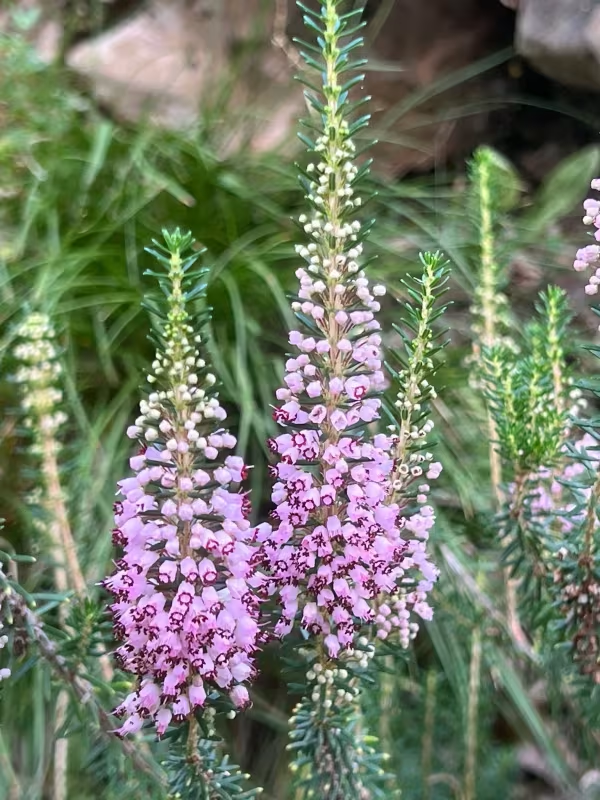
Description
Growing requirements
Cornish heath (Erica vagans) is a perennial evergreen shrub belonging to the Ericaceae family. Originally native to south-western Europe, it has become a popular agricultural and ornamental subject for regions with acidic soil and mild maritime climates.
The botanical structure of the plant consists of dense, needle-like foliage that stays green throughout the year. Its most notable feature is the elongated, bell-shaped flower racemes that bloom from mid-summer into autumn, providing high decorative value.
Requirements for cultivation focus on soil conditions, specifically a soil pH between 4.5 and 5.5. The substrate must be porous and well-drained, as the root system of Erica vagans is highly sensitive to waterlogging, which often leads to rapid decline.
In terms of climatic adaptation, this species thrives in temperate zones with high humidity. It requires significant sun exposure to produce flowers, although partial shade is acceptable in regions with intense heat to prevent foliage scorching.
хозяйственном смысле this plant is utilized primarily in landscape gardening for ground cover and as a nectar source for pollinators. Its ability to tolerate low-nutrient soils makes it a sustainable choice for rocky landscapes and alpine-style gardens.
Main diseases and pests
The primary threats to Cornish heath involve fungal pathogens, such as Phytophthora root rot, which thrive in poorly drained environments. Once the root system is compromised, the plant often wilts irreversibly within a short timeframe.
Pests such as spider mites and mealybugs can affect the plant's vitality, particularly in warm, dry conditions. They damage the foliage by extracting sap, which manifests as stippling or yellowing on the needle-like leaves.
Management of these threats involves strictly controlling soil moisture and ensuring excellent air circulation around the plants. Drip irrigation or careful watering techniques are preferred over overhead spraying to keep foliage dry.
Chemical control should be used as a last resort, focusing on targeted fungicides for fungal issues and horticultural oils for pest management. Always follow the guidelines for application rates to ensure the safety of the plant's delicate root system.
A proactive cultural approach, such as applying pine bark mulch, is highly effective. Mulching helps regulate soil temperature, maintains necessary acidity, and suppresses weed growth that could otherwise harbor harmful pests or disease vectors.