
Gazania rigens
Gazania rigens (L.) Gaertn.
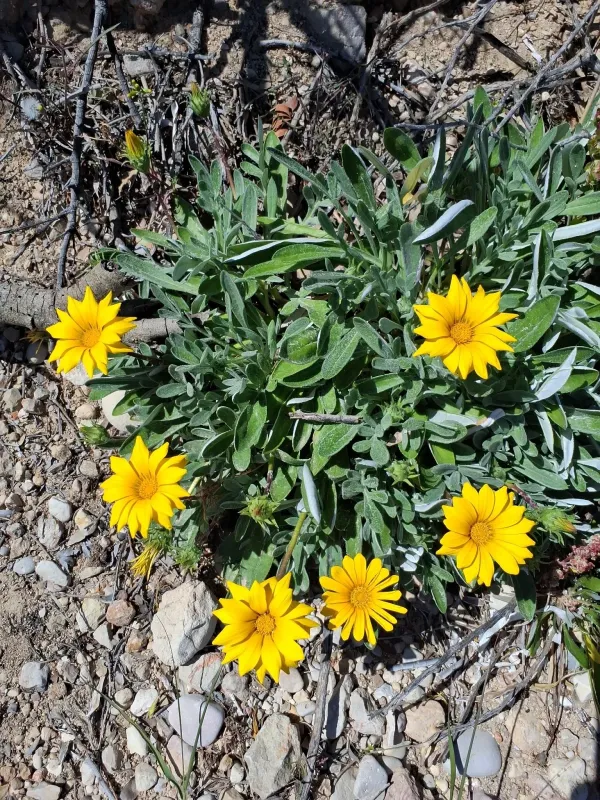
Description
Sowing dates
Gazania rigens, a member of the Asteraceae family, is a perennial herb often treated as an annual in cooler climates. Propagation is typically achieved through seeds sown indoors to ensure a vigorous start before the growing season.
Seeds should be sown in a high-quality, well-draining potting mix during late winter or early spring. They require a light covering of soil and a temperature range of 20–22°C to ensure uniform germination.
Once seedlings have developed a few sets of true leaves, they should be pricked out into individual pots. This practice prevents root entanglement and prepares the young plants for transplanting into the landscape.
Transplanting to the outdoor site occurs after all danger of frost has passed. Gazanias thrive in sunny positions, making them ideal for garden borders, rockeries, or containers.
Spacing between plants should be approximately 20–25 cm to allow for sufficient air circulation as the plants reach their full, spreading habit.
Growing requirements
The primary environmental requirement for Gazania rigens is full sun. The flowers are heliotropic, meaning they open widely in bright sunlight and close during overcast conditions or at night.
This species is highly drought-tolerant, preferring sandy, loamy, or even rocky soil that provides excellent drainage. Excessive moisture or waterlogged conditions are detrimental and often lead to root rot.
Fertilization should be moderate, using a balanced slow-release fertilizer during the active growing period. Excessive nitrogen will result in lush foliage at the expense of floral development.
The climate requirement is strictly sunny and relatively warm. While the plant is hardy in tropical and subtropical zones, it is sensitive to prolonged freezing temperatures in temperate regions.
Maintenance is minimal, consisting mainly of deadheading spent blooms, which promotes continuous flowering throughout the summer and autumn months.
Main diseases and pests
Gray mold (Botrytis) is the most significant disease threat, typically occurring during periods of high humidity or poor ventilation. Proper spacing is the best preventive strategy.
Pests such as aphids and spider mites can infest the foliage during hot, dry weather. Regular monitoring is essential to catch early signs of infestation and prevent population growth.
Root rot is a common issue caused by overwatering or poor soil drainage. Ensuring that the planting site has sandy or porous soil is critical to long-term plant health.
Slugs and snails can cause mechanical damage to young, tender plants. Using protective collars or slug bait in the early spring can significantly reduce damage to the crop.
If chemical interventions are necessary, apply treatments in the cool of the morning or evening to avoid causing phytotoxic damage to the blooms and leaves.