
Gazania krebsiana subsp. serrulata
Gazania krebsiana Less. subsp. serrulata (DC.) Roessler
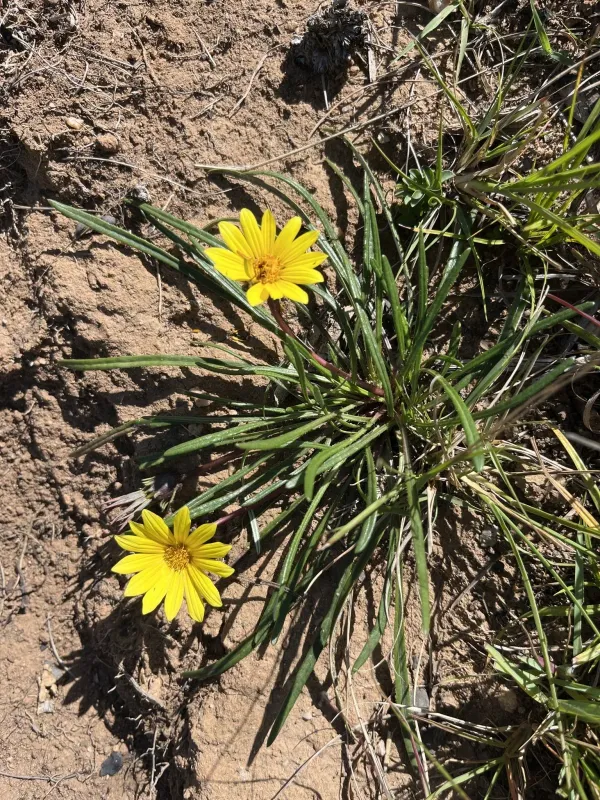
Description
Sowing dates
Sowing seeds of Gazania krebsiana subsp. serrulata is typically performed indoors in late winter or early spring. Use a lightweight, well-draining seed-starting mix to ensure optimal germination rates.
Seeds should be lightly covered with a thin layer of soil or fine grit, as they benefit from some exposure to light during the initial stages of development. Maintain a temperature range between 18 and 22 degrees Celsius.
Prick out seedlings into individual pots once they develop their first set of true leaves. Since the plant is sensitive to root disturbance, biodegradable pots can simplify the transplanting process significantly.
Hardening off the seedlings over a period of 7 to 10 days is essential to prepare them for the outdoor environment. This acclimatization prevents shock and ensures a successful transition to the flower bed.
Transplanting into the permanent location should occur only when all danger of frost has passed, as the plant thrives in warmer, stable climate conditions typical of its native range.
Growing requirements
Belonging to the Asteraceae family, this species originates from the diverse flora of Southern Africa. It is characterized by high tolerance to heat and intense solar radiation.
The plant requires full sun exposure throughout the day. In shaded areas, the blooms will fail to open, and the plant will become leggy, significantly reducing its ornamental value.
Well-drained soil is non-negotiable for the successful cultivation of this species. It performs exceptionally well in sandy or rocky soils that prevent water retention at the root collar.
While the plant exhibits significant drought resistance, supplemental watering during prolonged dry spells will help maintain the intensity and longevity of the flowering period.
Nutritional needs are relatively modest. Excessive fertilization, particularly with high-nitrogen compositions, should be avoided as it encourages vegetative growth at the expense of floral display.
Main diseases and pests
Root rot is the primary threat to the health of this species, usually caused by overwatering or poorly drained heavy clay soils. Ensuring proper soil aeration is the best preventive measure.
Powdery mildew may occur if air circulation is restricted around the plants. Proper spacing during planting significantly reduces the likelihood of this fungal infection spreading.
Aphids are common pests that colonize the flower buds and young shoots. Regular monitoring and the application of mild insecticidal soaps are usually sufficient to control the population.
Spider mites can become problematic during hot and dry summer months. High temperatures combined with low humidity create ideal conditions for their rapid reproduction.
Slugs and snails may occasionally damage foliage. Maintaining a clear perimeter around the flower beds and monitoring during wet spring weather can prevent significant damage to the plant.