
Gazania hybrid
Gazania maritima Levyns x Gazania rigens (L.) Gaertn.
Description
Sowing dates
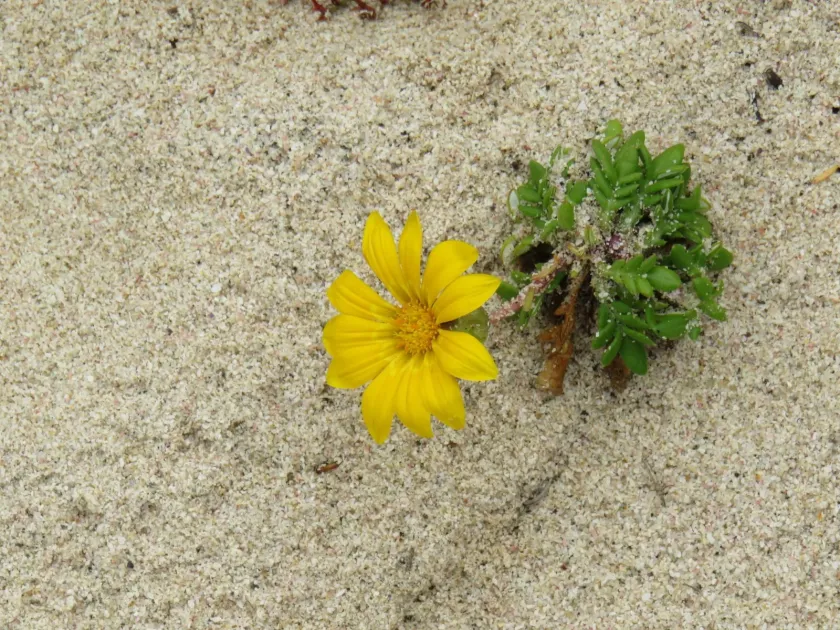
Gazania hybrid is a popular ornamental member of the Asteraceae family, resulting from the crossbreeding of Gazania rigens and Gazania maritima. Known for its vibrant, daisy-like flowers, it is an essential plant for sunny garden landscapes.
Seeds are typically sown indoors in late winter or early spring. Use a well-draining seed-starting mix, pressing seeds gently into the surface. Maintaining a temperature range of +20°C to +22°C is critical for uniform germination within two weeks.
Once seedlings develop true leaves, they should be moved to a cooler environment to promote sturdiness. Gradually acclimatize the young plants to outdoor conditions before the final transplanting stage in late spring.
Transplant into the garden only after all danger of frost has passed. Space plants approximately 20–25 cm apart to ensure proper airflow, which is vital for preventing humidity-related issues in the foliage.
Gazania is highly prized for its long blooming season, which extends from early summer until the first frosts. Its ability to tolerate harsh sun makes it a superior choice for hot, arid climates.
Growing requirements
Full sun is non-negotiable for Gazania hybrid. The flowers possess a phototropic response, remaining closed during overcast days or in the shade, which directly impacts the plant's ornamental performance.
The ideal soil is sandy or loamy with excellent drainage. These plants are sensitive to waterlogged conditions, which can lead to root rot and other physiological disorders in the crown of the plant.
Watering should be moderate. While Gazania is drought-tolerant, it performs best when the soil is kept consistently moist but never saturated. Always water at the base of the plant to keep the foliage dry.
Fertilize sparingly with a balanced, water-soluble fertilizer throughout the growing season. Excessive nitrogen will result in lush green foliage at the expense of flower production, which is undesirable.
In container culture, ensure pots have adequate drainage holes. Gazania hybrid is an excellent candidate for hanging baskets and window boxes where soil drainage is easier to monitor and control.
Main diseases and pests
Root rot is the most common threat, usually triggered by poor drainage or excessive soil moisture. Prevent this by ensuring the soil medium is lightweight and never left in standing water.
Botrytis, or gray mold, can affect blooms during prolonged periods of high humidity. Removing spent flowers and maintaining proper spacing between plants are the most effective cultural control methods.
Aphids can be a nuisance, particularly on young growth. Inspect plants regularly, especially on the undersides of leaves, and apply appropriate insecticidal soaps if an infestation is detected early.
Spider mites thrive in hot, dry environments and can cause significant damage to the foliage. Keeping the plants healthy and properly hydrated helps them resist mite pressure, though chemical intervention may be required for severe cases.
Monitoring the garden for early signs of disease or pest damage ensures that corrective actions can be taken quickly. Healthy, well-spaced plants are significantly more resilient to these common garden challenges.