
Gazania krebsiana
Gazania krebsiana Less.
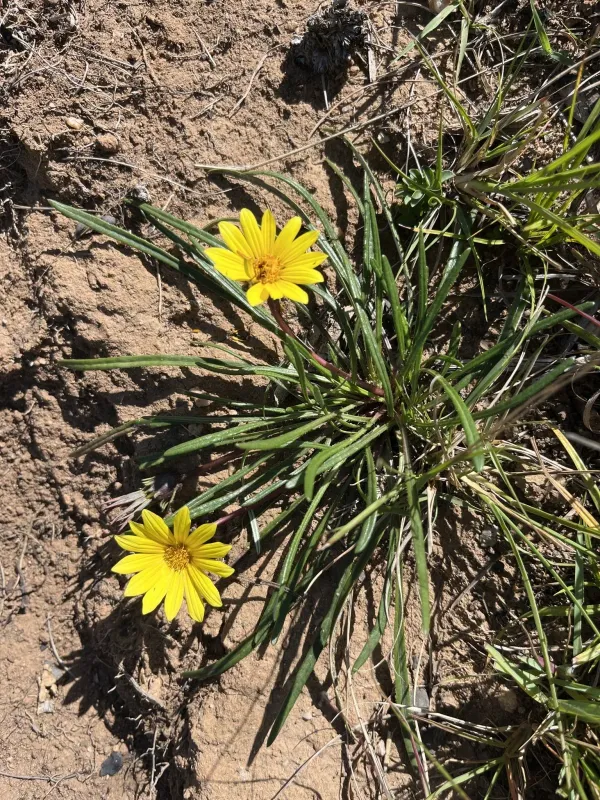
Description
Sowing dates
Gazania krebsiana is a member of the Asteraceae family, typically grown as an annual in cooler climates while perennial in its native South African habitat. To ensure an early bloom, seeds should be started indoors in late February or early March using a well-draining seed-starting mix.
Seeds require light to germinate and should be sown shallowly, barely covering them with a thin layer of substrate. Maintaining a consistent temperature between 20°C and 22°C is essential for successful seedling emergence within 10 to 14 days.
Once seedlings have developed their first true leaves, they should be pricked out into individual pots to avoid competition and root entanglement. Careful handling of the root system is crucial as Gazania plants are susceptible to transplant shock.
Hardening off the seedlings for at least two weeks before transplanting outdoors is mandatory for strong establishment. This process gradually exposes the plants to natural ultraviolet radiation and varying outdoor temperatures, reducing plant stress significantly.
Transplanting into the permanent garden site should only occur after all risks of frost have passed. Plants should be spaced at least 20 to 25 centimeters apart to allow for proper foliage spread and sufficient airflow between mature individuals.
Growing requirements
This species thrives in high-light conditions and requires full sun exposure for several hours daily to open its brilliant flowers. In low-light or cloudy conditions, the flowers remain closed, which is a natural physiological mechanism of the plant.
The ideal soil profile for Gazania krebsiana is sandy or gravelly with excellent drainage properties. Heavy clay soils are generally unsuitable as they retain excessive moisture, which can lead to rapid root rot and other fungal pathogens.
Although highly drought-tolerant once established, supplemental irrigation is recommended during extreme dry spells to maintain bloom production. Water should be applied directly to the base of the plant to keep the foliage and buds as dry as possible.
Fertilization should be handled with caution, as high levels of nitrogen promote foliage growth at the expense of floral display. A balanced, slow-release fertilizer applied once at the start of the season is typically sufficient for healthy growth.
The plant demonstrates high adaptability to poor, rocky soils that might be inhospitable to other common garden flowers. Providing a sunny, open location with good wind circulation is the primary requirement for successful outdoor cultivation of this species.
Main diseases and pests
Gray mold (Botrytis cinerea) represents the most significant threat to Gazania plants, particularly during periods of high humidity or poor ventilation. The fungus manifests as a fuzzy gray rot on leaves and stems, requiring immediate sanitation and fungicidal treatment.
Spider mites are a common pest during hot, dry summer months, feeding on the undersides of the leaves. Infestations lead to stunted growth and mottled yellow leaves, which can be mitigated by maintaining proper soil moisture and increasing ambient humidity.
Aphids often colonize the tender buds and young stems, drawing sap and weakening the plant's structural integrity. Regular inspections and the application of mild insecticidal soap can effectively manage aphid populations before they cause significant damage.
Slugs and snails may occasionally feed on young seedlings or tender foliage in spring. Utilizing physical barriers such as copper tape or crushed eggshells around the planting area can help discourage these pests from reaching the plants.
General plant health is maintained by removing faded blooms, which prevents the plant from diverting energy into seed production and encourages continuous flowering. This practice also removes potential sites where fungal spores might settle and germinate.