
Gazania hybrida
Gazania krebsiana Less. x Gazania rigens (L.) Gaertn.
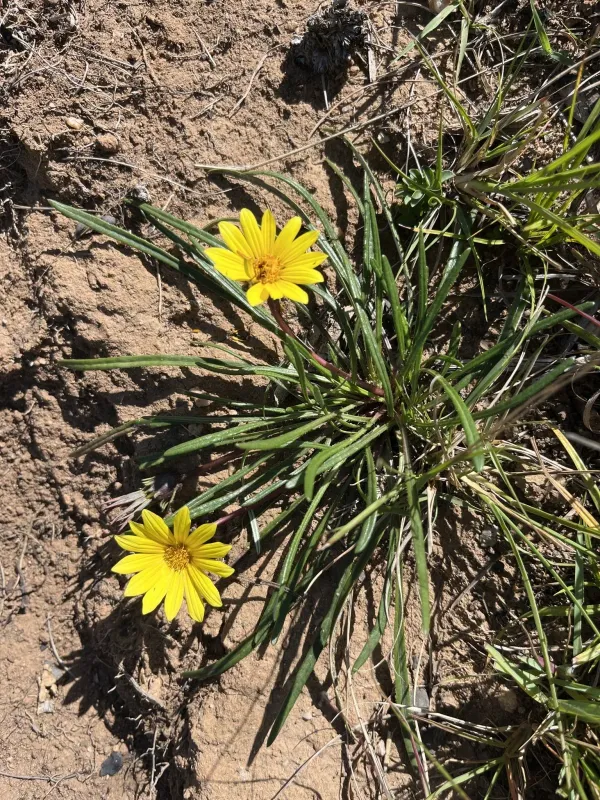
Description
Sowing dates
Gazania hybrida belongs to the Asteraceae family and is widely cultivated as an ornamental annual or tender perennial in various landscape designs.
For optimal results, seeds are sown in trays during late winter or early spring. A well-drained substrate with moderate fertility is required for successful germination.
Seedlings should be kept in a bright location with temperatures around 20 degrees Celsius. Providing sufficient light is crucial to ensure sturdy, non-leggy growth.
Transplanting to the permanent location in the garden should only occur once all danger of frost has passed, as the plant is sensitive to cold soil.
Proper spacing is essential to encourage healthy air circulation, which helps in preventing various fungal issues that can arise in dense plantings.
Growing requirements
Gazania is highly photophilous and requires full sun to ensure the flowers open properly. In shade or cloudy weather, the blooms tend to remain closed.
The plant thrives in sandy or well-drained loamy soils. Excellent drainage is non-negotiable, as wet feet lead directly to root rot and plant death.
This species is well-adapted to drought, possessing foliage that is often silvery-grey underneath to reduce transpiration and reflect excessive heat.
Moderate fertilization is recommended during the growing season. An excess of nitrogen-based fertilizers may promote excessive leaf growth at the expense of floral development.
Regular maintenance, including the removal of spent flowers, is advised to encourage continuous blooming throughout the entire growing season.
Main diseases and pests
Botrytis cinerea, or gray mold, represents the most significant threat to Gazania, particularly under conditions of high humidity and poor ventilation.
Root rot, typically caused by pathogens like Pythium or Phytophthora, occurs when soil moisture levels remain consistently too high for the plant to handle.
Aphids can infest the plants, causing foliage distortion and acting as vectors for potential viral infections if the infestation becomes severe.
Spider mites are frequently encountered in hot, dry environments, leading to stippling or yellowing of the leaves and a general decline in plant vigor.
Control strategies involve a combination of proper cultural practices—such as careful irrigation—and the application of appropriate fungicides or insecticides when needed.