
Gazania longiscapa
Gazania longiscapa DC.
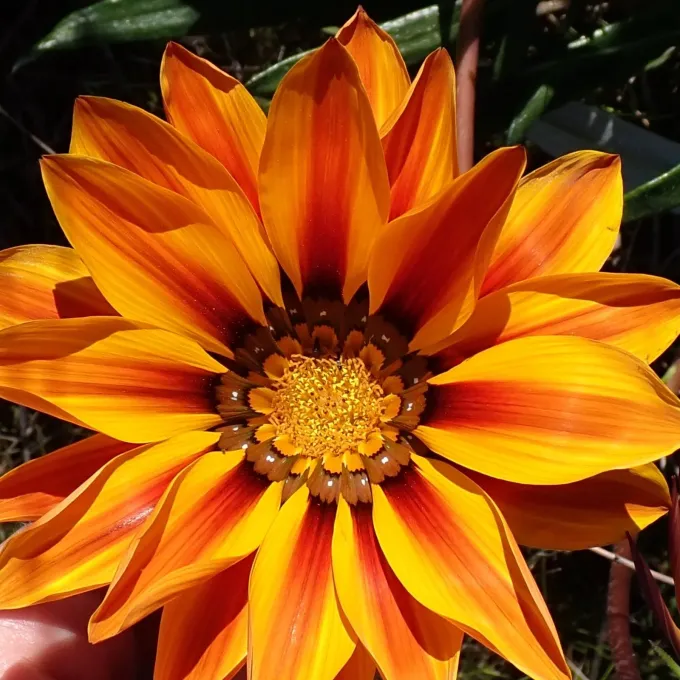
Description
Sowing dates
Gazania longiscapa is typically propagated from seeds, usually started indoors in late winter to early spring to ensure a long and vibrant blooming season.
Seeds should be sown in a well-draining, sterile potting mix and covered lightly with soil, maintaining a temperature range of 20 to 22 degrees Celsius for optimal germination.
Once seedlings develop their first true leaves, they should be carefully pricked out into individual pots to protect the delicate taproot system from damage during later transplantation.
Hardening off the young plants is a crucial step before moving them permanently outdoors, gradually exposing them to ambient temperatures over two weeks.
Transplanting into the garden bed is best done after all danger of frost has passed, ensuring the plants are placed in a sunny and well-prepared soil location.
Growing requirements
As a member of the Asteraceae family, this species requires full sun exposure to flourish and for the flowers to open fully during the daylight hours.
The plant thrives in sandy or light, well-draining soils and is highly sensitive to waterlogged conditions, which can lead to rapid root rot.
Due to its native arid origins, Gazania longiscapa exhibits excellent drought tolerance, requiring infrequent but deep watering only during prolonged dry spells.
Proper spacing is essential to prevent overcrowding, which can inhibit airflow and lead to increased humidity around the foliage.
The ideal temperature for active growth ranges between 18 and 25 degrees Celsius, making it a perfect candidate for warm and sunny garden borders.
Main diseases and pests
Gray mold, or Botrytis, is a significant threat that often develops in humid environments or when the crown of the plant stays wet for too long.
Powdery mildew can affect the leaves during periods of fluctuating humidity, appearing as a white dusting that hinders the plant's photosynthetic capacity.
Aphids are frequent pests that congregate on new growth and flower buds, potentially causing distortion and stunted development if left untreated.
Spider mites can become problematic during hot and dry summer months, requiring regular monitoring and potential treatment with horticultural soap.
Root rot is the most severe risk, usually triggered by poor drainage or overwatering, often resulting in sudden wilting and death of the plant.