
Gazania rigens
Gazania rigens leucolaena
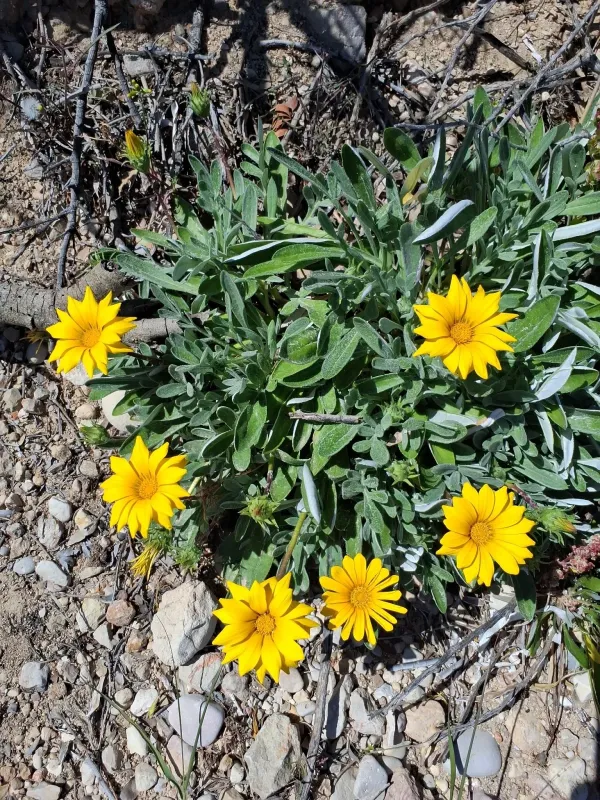
Description
Sowing dates
Sowing seeds for Gazania rigens should typically begin in late winter, specifically February or March, to allow sufficient time for the seedlings to develop before the frost-free season arrives.
Use a well-draining, sterile seed-starting mix. The seeds should be lightly covered with a thin layer of fine soil or vermiculite, as they require consistent moisture to germinate effectively.
Maintain an ambient temperature of approximately 20°C (68°F) during the germination phase. Covering the seed tray with a clear lid or plastic film helps retain the necessary humidity.
Once true leaves appear, seedlings should be pricked out into individual small pots. This stage is crucial for developing a strong root system before the final transplantation into the garden.
Gradual hardening off is recommended about two weeks before transplanting outdoors to allow the young plants to adjust to outdoor light levels and temperature fluctuations.
Growing requirements
Gazania rigens, belonging to the Asteraceae family, is native to Southern Africa. It is a heat-loving plant that thrives in full, direct sun, which is essential for its flowers to open fully.
The plant requires sandy or loamy, well-draining soil. It is highly intolerant of waterlogged conditions, which will quickly lead to root rot and death of the plant.
It is remarkably drought-tolerant once established. However, providing occasional deep watering during extreme heatwaves will significantly improve the quantity and duration of its blooming period.
Fertilization should be handled with care; a balanced, slow-release fertilizer applied once at the start of the season is usually sufficient to support growth without causing excessive vegetative sprawl.
Due to its low-growing, clumping habit, it is an excellent choice for rock gardens, borders, and containers where drainage is naturally superior to open landscape beds.
Main diseases and pests
Botrytis blight (gray mold) is the most significant disease threat to Gazania rigens, especially when the plants are grown in conditions with poor air circulation and high humidity.
Aphids can be a common pest, often colonizing the tender undersides of leaves or the developing flower stems, draining nutrients and potentially spreading plant viruses.
Spider mites may infest the foliage during particularly hot and dry periods, causing stippling and yellowing of the leaves if left untreated by insecticidal soaps.
Regular maintenance practices, such as deadheading spent flowers and removing debris from around the base of the plant, can greatly reduce the prevalence of both pests and diseases.
- Ensure adequate spacing to allow for proper airflow between individual plants.
- Avoid overhead watering to keep foliage dry and reduce fungal infection risks.
- Monitor plants weekly for signs of pest infestations for rapid intervention.