
Gazania linearis
Gazania linearis (Thunb.) Druce
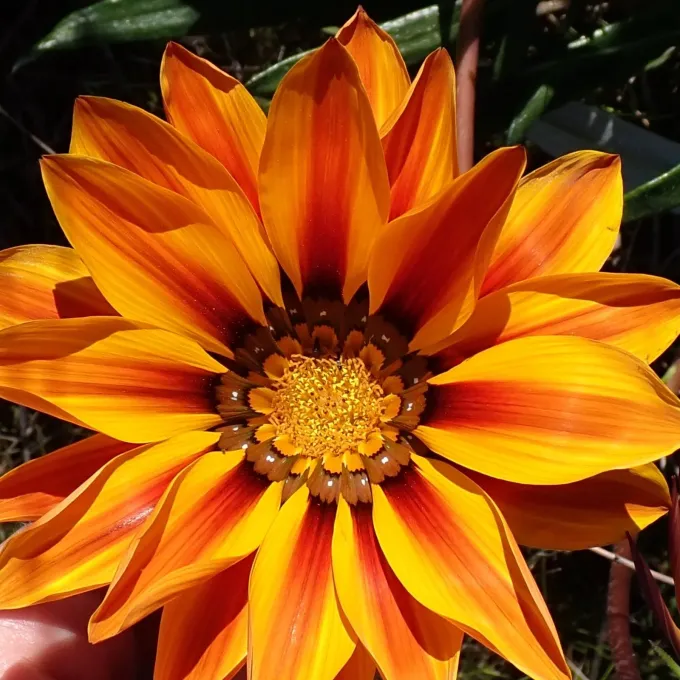
Description
Sowing dates
Seeds of Gazania linearis should be sown in greenhouses or indoors during late February or March to ensure early flowering when transplanted.
The optimal germination temperature for the seeds is between 20 and 22 degrees Celsius, providing consistent moisture without waterlogging the substrate.
Seedlings are typically transferred to open soil only after the risk of late spring frost has completely passed, which is usually towards the end of May.
In warmer southern regions, direct sowing into the ground can be performed in late April, though this may result in a slightly delayed flowering period.
Proper aeration of the growing medium and sufficient spacing between young plants are essential to prevent damping-off diseases during the early stages of growth.
Growing requirements
Gazania linearis is a member of the Asteraceae family, typically grown as an annual in temperate climates, though it is technically a herbaceous perennial.
The crop requires full sun exposure and warm conditions, making it an ideal choice for open, well-lit garden beds or sunny slopes with minimal shading.
Well-drained, sandy, or loamy soil is critical for the health of the plant, as stagnant water in the root zone quickly leads to root rot issues.
The plant exhibits remarkable drought tolerance due to its specialized root structure and fine hairs on the foliage that help minimize transpiration losses.
A neutral to slightly acidic soil pH is preferred, as this range optimizes the uptake of essential nutrients necessary for vibrant and long-lasting blossoms.
Main diseases and pests
Gray mold (Botrytis) is a primary concern for Gazania linearis, particularly in environments with poor air circulation or excessive moisture levels.
Powdery mildew can also affect the plant during humid spells, appearing as a characteristic white, dusty coating on the upper and lower leaf surfaces.
Common agricultural pests include spider mites and aphids, which are particularly attracted to the plant during hot, dry periods in mid-to-late summer.
Integrated pest management, including regular visual inspection and the application of targeted insecticides, is recommended to keep pest populations in check.
Maintaining good site sanitation and ensuring that the foliage stays as dry as possible are the most effective cultural controls against fungal pathogens.