
Watch chain plant
Crassula muscosa L.
Description
Growing requirements
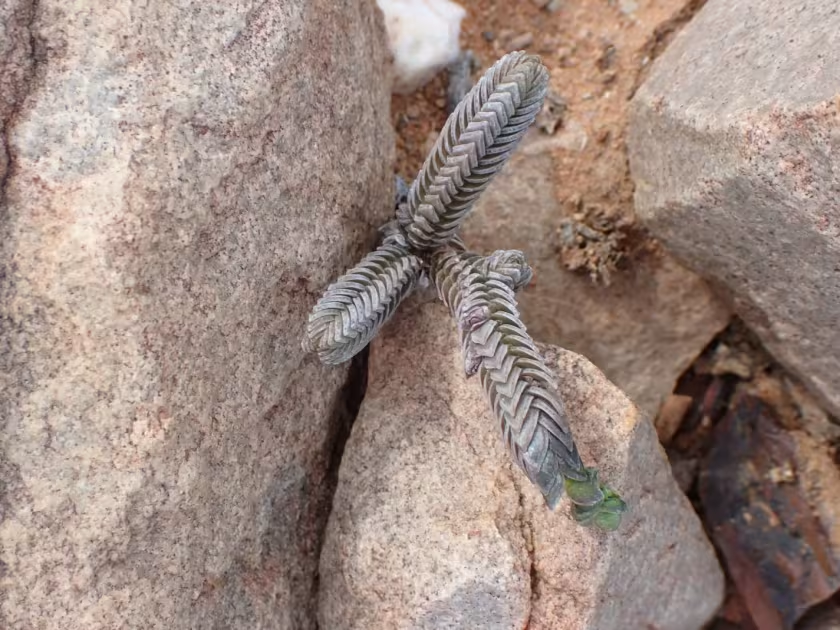
The watch chain plant (Crassula muscosa L.), a member of the Crassulaceae family, is a distinct succulent native to the arid environments of South Africa and Namibia. It is characterized by its unique moss-like growth pattern and densely packed small leaves.
Cultivation requires abundant bright light to ensure structural integrity. Insufficient light levels lead to etiolation, where the plant stems become elongated, weak, and lose their decorative form, which is critical in commercial propagation.
Soil requirements focus on high drainage capacity. A professional potting mix consisting of inorganic materials like coarse sand, perlite, and a small portion of organic matter provides the necessary aeration for root health.
The plant thrives in a temperature range of 20°C to 25°C during the growing season. It exhibits significant drought tolerance, making it an ideal candidate for low-maintenance agricultural projects or decorative landscaping in arid regions.
Watering practices are essential to the plant's health; the "soak and dry" method is recommended. The soil must be completely dry before re-watering to simulate natural conditions and prevent physiological stress or root collapse.
Main diseases and pests
The most prevalent pathological issue is root rot, typically caused by waterlogged soil conditions or a lack of proper drainage during the winter dormancy period.
Mealybugs are the primary insect pests affecting this species. They hide in the crevices between the dense leaves, making them difficult to detect and eradicate without systemic treatment.
Spider mites can also impact the plant, particularly in low-humidity environments, leading to unsightly patches and a decline in overall plant vitality.
Effective pest management involves regular inspections and the application of targeted miticides or insecticidal soaps when initial signs of infestation occur.
Maintaining a clean cultivation area and promoting good airflow around the plants are the most effective preventative strategies against the majority of fungal and insect-related threats.