
Silver Dollar Plant
Crassula arborescens (Mill.) Willd.
Description
Growing requirements
Crassula arborescens, commonly known as the Silver Dollar plant, is a succulent shrub belonging to the Crassulaceae family. Native to South Africa, it has evolved to thrive in arid and rocky environments, making it a highly resilient species.
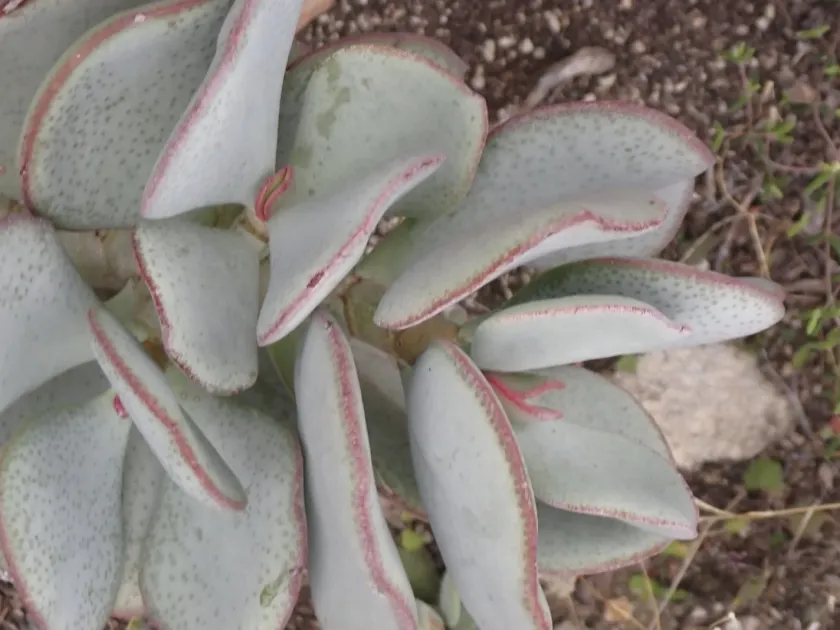
The plant is characterized by its woody stems and thick, fleshy, rounded leaves that often feature a blue-grey hue with red margins. It serves as an iconic example of xerophytic vegetation, accumulating significant water reserves in its foliage.
For optimal development, this species requires a location with bright, direct sunlight. In indoor cultivation, providing adequate light intensity is crucial to ensure the plant maintains a sturdy structure and does not become leggy or etiolated.
The soil must provide excellent drainage. A specialized mix for succulents and cacti, incorporating coarse sand or perlite, is essential to allow excess water to escape rapidly and to ensure good aeration of the root system.
During the active growing season, watering should be performed deeply but infrequently, ensuring the substrate is completely dry between irrigation events. In the winter dormant period, irrigation should be significantly reduced to prevent physiological stress.
Main diseases and pests
Root rot remains the most critical threat to this species. It is primarily induced by poor drainage, excessive watering, or using a substrate that retains too much moisture, which facilitates the rapid spread of soil-borne pathogens.
Mealybugs are the most persistent insect pests, often colonizing the crevices between leaves and stems. Their presence is usually indicated by white, powdery, or woolly secretions that can inhibit plant growth if left untreated.
Spider mites can also cause significant damage, especially in dry and poorly ventilated conditions. These pests feed on the cellular sap, resulting in the appearance of fine stippling and discolored patches on the surface of the leaves.
Control strategies should focus on integrated pest management, utilizing insecticidal soaps or horticultural oils. Regular inspection of the plant's foliage is highly recommended to catch infestations at an early stage before they spread.
- Monitor leaf surfaces for discoloration.
- Check the crown of the plant for pest clusters.
- Ensure adequate spacing between plants to improve airflow.
- Remove any dead or decaying leaves immediately.
- Maintain a consistent, low-humidity environment.