
Crassula capitella
Crassula capitella Thunb.
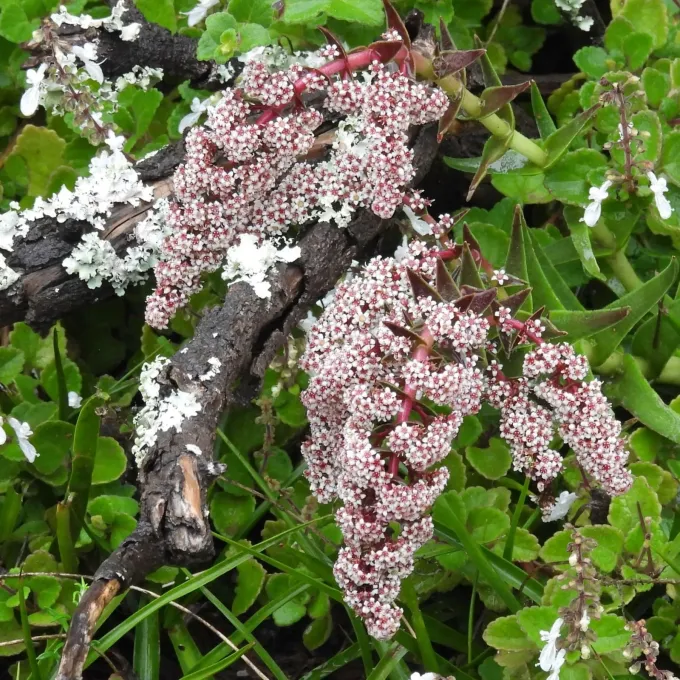
Description
Growing requirements
Crassula capitella is a notable succulent species belonging to the Crassulaceae family, native to the arid landscapes of Southern Africa. It is widely cultivated for its unique architectural form and striking coloration, which enhances its value in ornamental plant markets.
The plant features distinctively fleshy leaves arranged in compact rosettes. Under high light intensity, these leaves develop vibrant red or crimson pigments, a trait that requires careful management of sunlight exposure to maintain the plant's aesthetic appeal throughout the growing season.
Agrotechnical requirements prioritize well-draining, gritty soil substrates to mimic the plant's natural rocky habitat. High-porosity mixes, typically involving coarse sand, perlite, and a small portion of organic loam, are essential for preventing moisture-related damage to the root zone.
Optimal growth occurs at temperatures ranging between 20°C and 25°C. During the winter dormancy period, the plants should be kept at cooler temperatures (12–15°C) with significantly reduced irrigation, which is crucial for inducing the next cycle of healthy vegetative development.
Sunlight is the primary driver of vigor in this species. While it thrives in bright, direct sunlight, young plants may require slight acclimation to avoid leaf scorch, especially when moved from low-light indoor environments to open-air settings or bright windowsills.
Main diseases and pests
The primary threat to Crassula capitella is root rot induced by poor drainage or overwatering. When the soil medium remains saturated for extended periods, the root tissues lose their ability to respire, quickly succumbing to various soil-borne pathogens.
Mealybugs are the most persistent insect pests for this species, often clustering in the tight junctions between leaves. Their presence can be identified by the formation of white, cottony masses, which necessitates the application of systemic insecticides or topical alcohol treatments.
Spider mites can also become a significant problem in environments with low humidity. These pests feed on the cellular sap of the succulent, leading to chlorosis, loss of turgor, and overall stunted growth that detracts from the plant’s display value.
To prevent fungal diseases, such as crown rot, it is essential to ensure adequate airflow around the plants. Avoiding overhead watering is a key cultural practice that significantly reduces the risk of pathogens establishing themselves in the leaf axils.
Regular sanitation, including the removal of any decaying organic matter or dead lower leaves, is essential to minimize pest and disease pressure. Keeping the growing area tidy and monitoring for early signs of infestation allows for timely and targeted treatment.