
Elegant willow
Salix elegantissima K. Koch
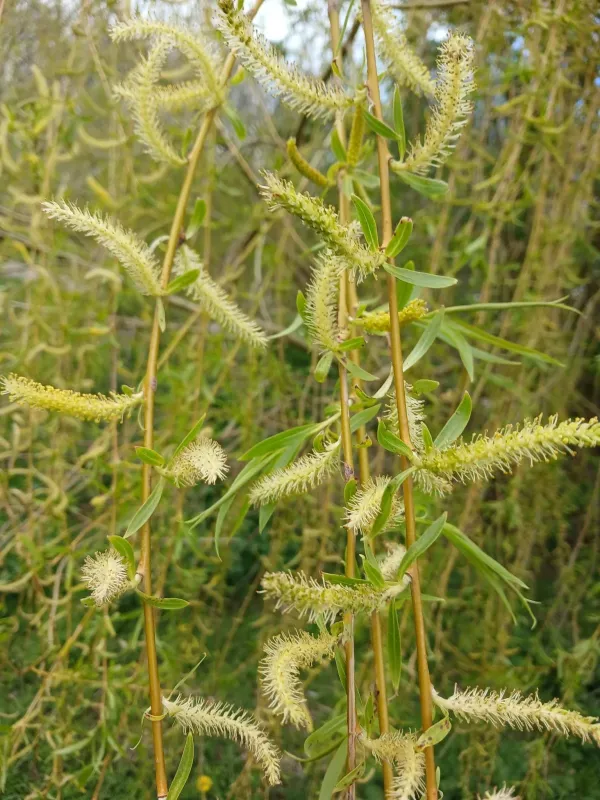
Description
Growing requirements
The elegant willow (Salix elegantissima) is a graceful deciduous tree belonging to the Salicaceae family. It is highly valued in horticulture for its cascading branch structure and slender, vibrant foliage, which provide an aesthetic appeal throughout the growing season.
Native to temperate regions, this species thrives in climates where water is abundant. It is frequently planted near streams, ponds, or other water features where its extensive root system can access consistent moisture, which is vital for the tree's development.
Regarding soil, Salix elegantissima performs best in fertile, loamy soils with high organic content. While it is adaptable to various soil types, poor drainage can occasionally be an issue, though this species is generally more tolerant of wet soils than many other deciduous trees.
Agricultural management should include regular pruning, which is essential to maintain the willow's signature weeping habit and to encourage healthy new growth. Removing dead or crossing branches helps to improve light penetration and air circulation within the canopy.
Supplemental irrigation is recommended during prolonged dry spells, as the tree's metabolic rate is closely tied to moisture availability. Mulching the root zone helps to retain soil humidity and suppress weed growth, fostering a stable environment for the roots.
Main diseases and pests
Powdery mildew is a common fungal threat, typically appearing during humid and warm periods. It manifests as a white, powdery coating on the leaves, which can be mitigated by ensuring adequate spacing between trees and using appropriate fungicides.
Willow scab is another significant disease that affects the stems and leaves, often leading to tip dieback. Control measures include sanitary pruning of affected branches and the application of protective copper-based sprays during the early spring.
Insect pests, such as willow leaf beetles and various aphid species, can cause substantial defoliation if left unchecked. Integrated pest management strategies, involving the use of beneficial insects or targeted insecticides, are recommended for large-scale plantings.
Boring insects, including certain species of wood-boring beetles, can weaken the trunk and branches over time. Maintaining the tree's overall vigor through correct nutrition and water management is the best defense against these internal pests.
Routine inspection of the bark and foliage is necessary to detect signs of infestation or infection early. Prompt removal of damaged material helps prevent the spread of pathogens, ensuring the long-term health and structural integrity of the elegant willow.