
Thunbergia laurifolia
Thunbergia laurifolia
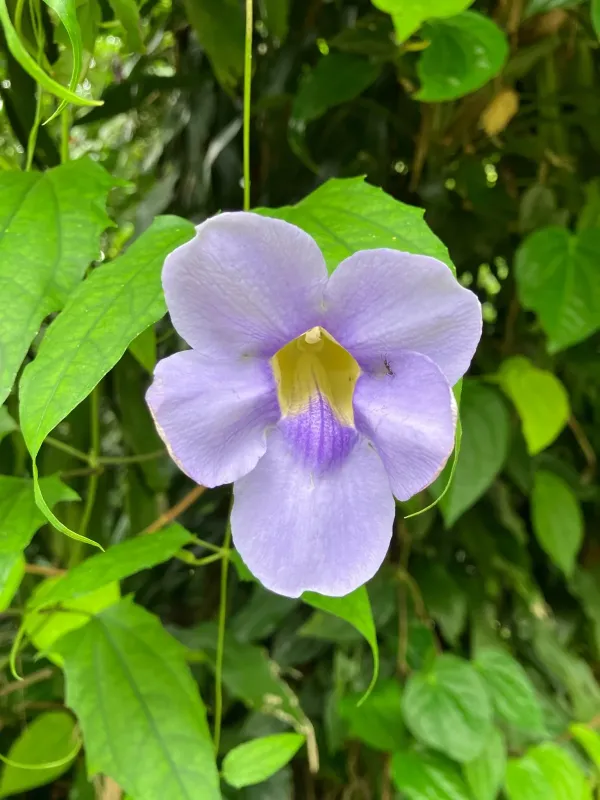
Description
Growing requirements
Thunbergia laurifolia, commonly known as laurel clockvine, is a robust evergreen perennial vine belonging to the Acanthaceae family. It is known for its rapid growth rate and ability to climb using twining stems.
The plant originates from the tropical regions of Southeast Asia. It thrives in humid forest habitats, where it has historically been utilized by local communities for its therapeutic and detoxifying properties.
This crop requires a warm climate with temperatures consistently between 22 and 30 degrees Celsius. It is highly sensitive to frost, which makes it suitable primarily for tropical or subtropical agricultural zones.
The soil should be well-drained, nutrient-rich, and slightly acidic to neutral. Incorporating organic matter during planting significantly enhances the biomass production of the vine during the primary growing season.
Regular irrigation is vital during the establishment phase and periods of active growth. However, drainage must be prioritized to prevent waterlogging, which can lead to rapid decay of the plant's root system.
Main diseases and pests
Spider mites are the most common pests affecting Thunbergia laurifolia, especially in drier environments. They feed on the sap of the leaves, leading to chlorosis and potential leaf drop if left uncontrolled.
Whiteflies can infest the plant, causing stress and reducing overall yield. Integrated pest management, including the use of sticky traps and biological control agents, is recommended for commercial cultivation.
Fungal diseases like powdery mildew often occur in poorly ventilated areas with high humidity. Proper spacing between plants ensures air circulation, which is key to preventing the spread of these fungal pathogens.
Root rot, caused by various soil-borne fungi, is a severe threat under conditions of poor soil aeration. Implementing strict irrigation schedules and using raised beds can effectively mitigate the risk of root health issues.
Aphids tend to congregate on the soft tips of new growth. While they are usually managed by natural predators, severe infestations may require the application of mild, plant-derived insecticidal soaps to maintain plant vigor.
Harvesting
The harvesting of Thunbergia laurifolia primarily involves the collection of fresh leaves. These leaves contain specific bioactive compounds that are valued in both traditional medicine and modern herbal pharmaceutical research.
Harvesting should be done strategically to ensure the vine remains productive throughout the growing season. A selective pruning method is employed, taking only healthy, fully developed leaves while leaving enough foliage for photosynthesis.
Post-harvest, the leaves must be dried in a temperature-controlled environment away from direct sunlight. This process preserves the chemical integrity of the active ingredients, such as flavonoids and polyphenols.
Modern processing often involves mechanical dehydration to ensure consistent moisture levels below 10 percent. This prevents microbial spoilage and ensures the product meets safety standards for medicinal use.
Once dried, the leaf material is processed into powders or extracts. Proper airtight packaging is essential for international export, as it protects the phytochemicals from degradation caused by ambient moisture and heat.