
Thunbergia atriplicifolia
Thunbergia atriplicifolia
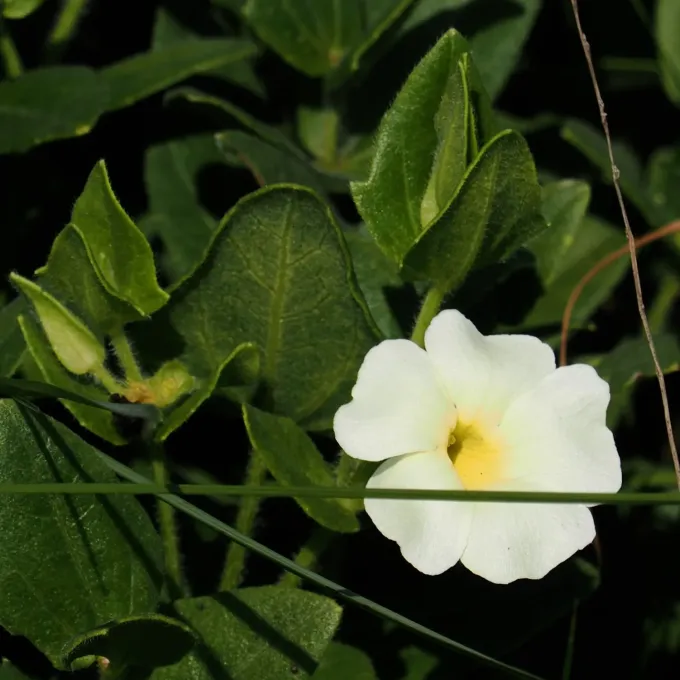
Description
Sowing dates
Thunbergia atriplicifolia is a robust perennial herb belonging to the Acanthaceae family. Often valued for its ornamental characteristics, it grows as a semi-shrub in its natural habitat, requiring well-drained soil and consistent care to thrive in cultivated environments.
Propagation typically begins with sowing seeds in late winter, specifically from February to March. Seeds should be placed in a lightweight, sterile potting mix and covered lightly with soil, maintaining a constant ambient temperature of about 20 to 23 degrees Celsius for successful germination.
Seedlings usually emerge within two to three weeks. Once the first true leaves have developed, it is crucial to transplant them into individual containers. This process helps establish a strong root system, which is essential for the plant's long-term health and vigor.
Hardening off the seedlings is a vital step before outdoor transition. Gradually introducing young plants to outdoor conditions over a two-week period prevents transplant shock and ensures they are better prepared for the variable climate of an outdoor garden.
The ideal time for transplanting into the open ground is early June, after the risk of frost has passed completely. Spacing should be approximately 30-40 centimeters apart to provide each plant with adequate space for growth and airflow.
Growing requirements
This culture requires a sunny location, sheltered from strong winds to protect its foliage. While it thrives in bright light, it appreciates partial shade during the peak heat of the afternoon to maintain turgor and prevent scorching of the leaves.
The soil must be fertile, well-draining, and slightly acidic to neutral, with a pH between 6.0 and 7.0. Heavy clay soils should be amended with organic matter or sand to improve structure and drainage, as excessive moisture around the roots can be detrimental.
Consistent watering is necessary throughout the growing season. The soil should be kept moderately moist, but not waterlogged. It is important to ensure that the top layer of soil dries slightly between waterings to prevent root rot and other moisture-related issues.
Feeding the plants with a balanced, water-soluble fertilizer every two weeks promotes vigorous growth and flowering. Potassium-rich fertilizers are particularly beneficial for this species as they enhance flower development and strengthen the stems.
- Maintain good soil aeration through regular light hoeing.
- Apply mulch to retain soil moisture and suppress weed growth.
- Prune terminal shoots to encourage a bushier, more compact growth habit.
- Protect the plants from extreme temperature drops during the night.
Main diseases and pests
Thunbergia atriplicifolia is prone to several common pests, including spider mites, aphids, and whiteflies. These insects frequently appear during warm, dry weather and can cause significant damage by feeding on the sap of young, tender leaves and buds.
Fungal diseases, such as powdery mildew, often occur when there is high humidity and poor air circulation. Symptoms include a visible grayish-white coating on the leaf surface, which can lead to premature leaf drop if left untreated.
Managing these threats requires a combination of cultural practices and chemical intervention. Using systemic insecticides can effectively control pest populations, while fungicides are necessary to address fungal outbreaks on the foliage.
Prevention is key in maintaining plant health. Regular inspections of the undersides of leaves, ensuring adequate spacing between plants, and keeping the garden area free of weeds can significantly reduce the pressure from both pests and pathogens.
Implementing a routine of checking the plant's health allows for early detection of issues. By keeping the plant well-fed and appropriately watered, its natural immunity is strengthened, allowing it to withstand environmental stresses more effectively throughout the season.