
Thunbergia gregorii
Thunbergia gregorii
Description
Sowing dates
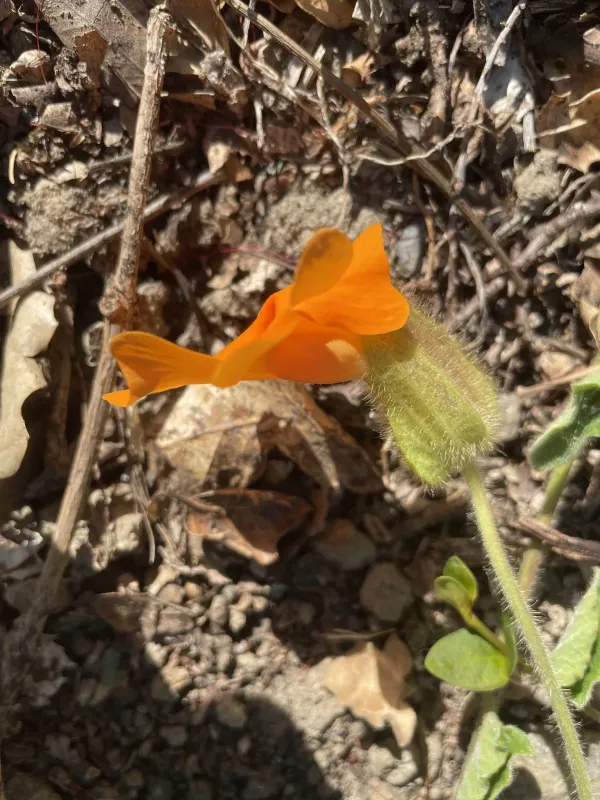
Thunbergia gregorii, commonly known as the Orange Clock Vine, is a perennial herbaceous plant belonging to the Acanthaceae family, native to East Africa.
For cultivation, seeds should be sown indoors in late winter or early spring using high-quality seed starting mix to ensure optimal germination rates.
The seeds require warmth, ideally maintained between 20 and 22 degrees Celsius, and must be kept in a moist but not waterlogged environment until emergence.
Once the seedlings have reached a sufficient size, they should be carefully pricked out into individual pots to encourage stronger root development before transplanting.
Hardening off is a necessary step before moving the plants outdoors, gradually acclimating them to external weather conditions over the course of one or two weeks.
Growing requirements
This species thrives in full sun, which is essential for achieving the most prolific bloom and maintaining the structural integrity of its climbing vines.
The soil should be fertile, well-draining, and rich in organic matter to support the vigorous growth habit characteristic of this beautiful ornamental vine.
Watering practices must balance the plant's needs; it requires constant moisture during the summer but will suffer significantly from waterlogged conditions.
Fertilizing with a balanced, water-soluble fertilizer every two weeks will provide the necessary nutrients for sustained flowering throughout the growing season.
Providing a vertical support structure such as a trellis or netting is crucial, as the plant naturally seeks to climb to maximize its exposure to sunlight.
Main diseases and pests
Spider mites are the most frequent pests, particularly in dry and hot conditions, where they can quickly colonize the undersides of the foliage.
Aphids often target new, tender growth, which can lead to stunted development and the transmission of viral pathogens if not treated promptly.
Whiteflies can also cause significant damage, especially in greenhouse environments or sheltered garden spots with poor air circulation.
Root rot, driven by fungi like Pythium or Phytophthora, frequently occurs when drainage is inadequate, leading to the rapid decline of the plant.
Effective management involves consistent monitoring, the use of targeted biological or chemical control agents, and maintaining excellent hygiene in the garden.