
Thunbergia hybrid
Thunbergia hybrids
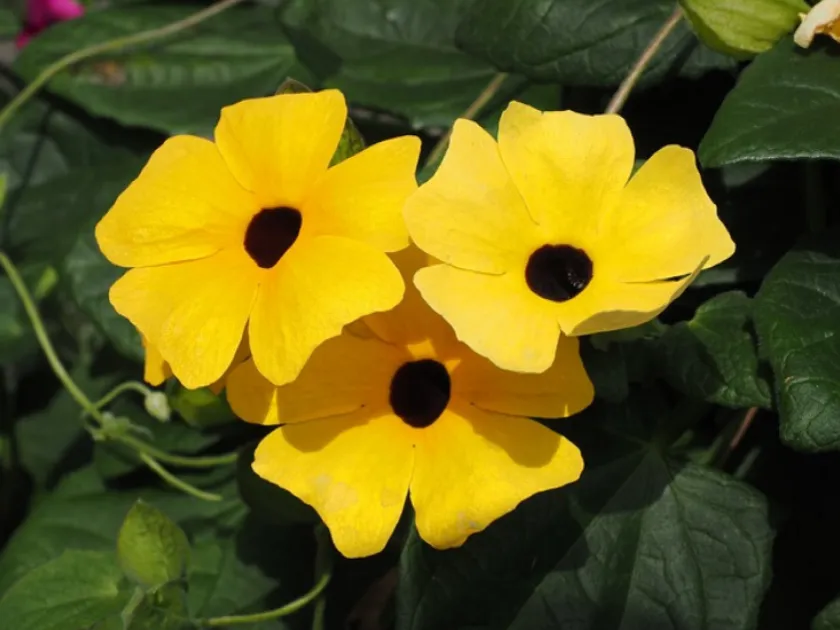
Description
Sowing dates
Thunbergia hybrid is a popular climbing ornamental plant belonging to the Acanthaceae family, highly valued for its continuous flowering and vigorous growth habit.
The cultivation process typically begins in late winter or early spring by sowing seeds indoors to ensure a long growing season for the developing vines.
Seeds should be planted in a high-quality, well-draining potting mix at a depth of approximately 0.5 to 1 cm, keeping the medium consistently warm and moist.
Seedlings usually emerge within two weeks; they require bright, indirect light to establish strong stems and prevent them from becoming leggy.
Once the danger of frost has passed, the young plants can be transplanted into larger containers or directly into the garden landscape near a trellis or fence.
Growing requirements
To thrive, Thunbergia hybrid requires a location with full sun exposure, although some light afternoon shade can be beneficial in extremely hot climates.
The soil must be fertile and rich in organic matter. A neutral pH level is ideal, and adequate drainage is necessary to prevent stagnant moisture at the roots.
Watering practices are essential for this plant; it prefers consistent soil moisture but cannot tolerate waterlogged conditions, which may cause root distress.
Regular fertilization with a balanced, water-soluble fertilizer every two weeks promotes vigorous leaf production and ensures a constant supply of blossoms.
Since it is a climbing plant, providing a sturdy vertical support system is vital to direct its growth and maximize the aesthetic display of the flowers.
Main diseases and pests
Spider mites represent a major challenge for the plant, especially in dry and hot conditions, as they thrive on the undersides of the leaves.
Whiteflies and aphids are also frequent pests that can cause yellowing of the foliage and significantly weaken the health of the climbing vine.
Poor ventilation combined with high humidity levels can lead to the development of fungal pathogens, such as powdery mildew, on the leaves.
Effective pest management involves regular inspections and the application of appropriate acaricides or systemic insecticides when infestation is detected.
Maintaining good plant spacing and sanitation practices significantly reduces the risk of pest outbreaks and disease transmission within the garden environment.