
Carolina phlox
Phlox carolina L.
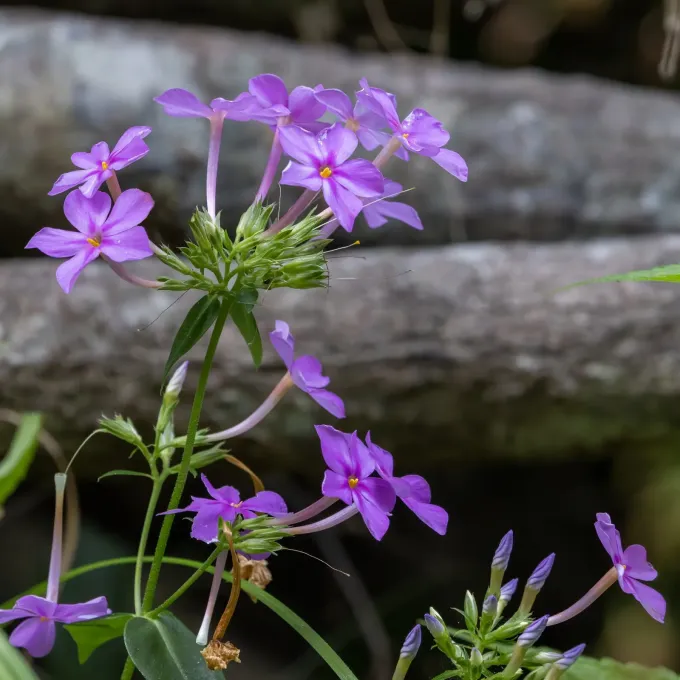
Description
Sowing dates
Carolina phlox (Phlox carolina) is typically propagated through vegetative means, such as division of the root clump or stem cuttings. Dividing mature plants is best performed in early spring or late autumn, which encourages robust root development before the next growing season.
If growing from seeds, they require a period of cold stratification to break dormancy. Sowing in outdoor trays or directly into the soil during late autumn allows the seeds to undergo this natural process, leading to higher germination rates when temperatures rise in spring.
Cuttings should be taken from healthy, non-flowering shoots during the early summer months. Using a rooting hormone can increase success rates, and the cuttings should be placed in a well-draining peat-based medium to ensure they develop a strong root system before transplantation.
When selecting a location for planting, ensure the site receives adequate sunlight, although partial shade during the hottest hours of the day is beneficial for plant health. Space the plants appropriately to maintain airflow, which is critical for reducing humidity-related diseases.
Before planting, incorporate organic matter into the soil to improve structure and nutrient content. Place the root ball at the same depth as it grew in the container, firm the soil gently around the stem, and provide a thorough watering to settle the earth.
Growing requirements
Carolina phlox belongs to the Polemoniaceae family and is native to the southeastern United States. It is a hardy perennial valued for its showy flower clusters and lush green foliage, making it a staple for diverse ornamental landscape designs.
The crop thrives in rich, loamy, and slightly moist soil conditions with a neutral pH. It is essential to ensure that the planting area is well-drained, as waterlogged soil can quickly lead to root rot and other physiological stressors that impact overall productivity.
Regular irrigation is vital during the growing season, particularly during prolonged dry spells. Consistent moisture levels prevent the plants from wilting and help maintain the vibrant color of the flowers, which is essential for maximizing the decorative potential of the crop.
Carolina phlox is well-adapted to varied temperate climates but benefits from a protective mulch layer during winter months. This layer helps regulate soil temperature, prevents frost heaving of the roots, and contributes to better survival rates in colder zones.
Fertilization should be applied systematically throughout the season. A balanced, slow-release fertilizer used in spring, followed by a lighter application after the first flush of flowers, supports the plant's metabolic functions and ensures repeat blooms.
Main diseases and pests
The most significant pathological threat to Carolina phlox is powdery mildew, a fungal disease that thrives in humid and still air conditions. It creates a dusty white film on the leaves, which can prematurely weaken the plant and cause leaf drop if left untreated.
Managing mildew involves improving ventilation within the plant cluster by thinning out dense growth and using appropriate fungicides when environmental conditions favor fungal spread. Resistant varieties should be prioritized where possible to mitigate these risks.
Stem nematodes can cause severe issues, resulting in stunted growth and deformed foliage. Because these pests are hard to treat once established, prevention is key; always use clean planting stock and rotate crops to ensure the soil remains free of these persistent pests.
Common insects such as aphids and spider mites can infest the plant, causing yellowing and loss of vigor. Monitoring the undersides of leaves and applying horticultural soaps or systemic insecticides at the first sign of infestation can effectively control these populations.
Sanitation is a cornerstone of plant health. By removing dead foliage in the fall and keeping the area around the plants free of weeds, you reduce the overwintering sites for both pests and disease spores, leading to a healthier crop in the following year.