
Douglas phlox
Phlox douglasii Hook.
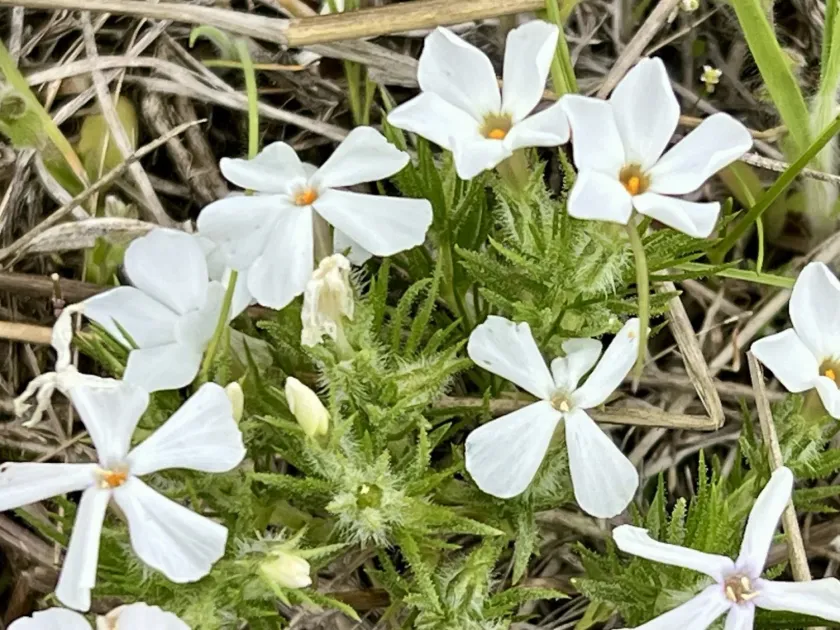
Description
Sowing dates
Seeds of Douglas phlox are best sown in late autumn to allow for natural stratification. Indoor sowing requires pre-chilling seeds for several weeks to ensure uniform germination.
Seedlings should be kept in a cool environment with good ventilation to prevent damping-off. Once established, they can be transplanted into small pots before moving to permanent beds.
Stem cuttings represent the most reliable way to propagate specific cultivars. These should be taken in early summer and placed in well-draining rooting medium.
Division of mature plants is recommended every three years. This process revitalizes the clumps and prevents the centers from becoming woody and sparse.
Planting sites should be prepared with gravel for drainage at the bottom of the hole. This ensures that the root system remains healthy throughout the wet seasons.
Growing requirements
Douglas phlox is a member of the Polemoniaceae family, native to the western regions of North America. It is prized for its low-growing, mat-forming habit.
This species requires full sun exposure to maintain its compact shape. In shaded areas, the stems will stretch, resulting in a leggy and less productive plant.
The soil must be gritty, rocky, or sandy with excellent drainage properties. It thrives in soils that mimic its native rocky alpine environment.
Regular watering is necessary during the establishment phase, but once mature, the plant shows a moderate tolerance to occasional drought conditions.
Fertilization should be applied sparingly, using balanced slow-release fertilizers in early spring to encourage flowering without promoting excessive green foliage.
Main diseases and pests
Powdery mildew is a common fungal threat during humid weather. Providing adequate spacing between plants is essential to promote good airflow and minimize risks.
Root rot, specifically caused by Phytophthora, is a risk in poorly drained clay soils. Monitoring soil moisture levels is critical for long-term health.
Nematodes can cause stunted growth and discolored foliage. Soil solarization or selecting certified disease-free stock are standard prevention methods.
Aphids can infest the tender tips of shoots in spring. These can be managed with insecticidal soaps or manual removal if the infestation is localized.
- Regular inspections for early signs of leaf spot or discoloration.
- Removing debris around the base of the plant to eliminate wintering spots for pests.
- Applying fungicides during periods of prolonged high humidity.