
Carolina phlox and spotted phlox
Phlox carolina x Phlox maculata
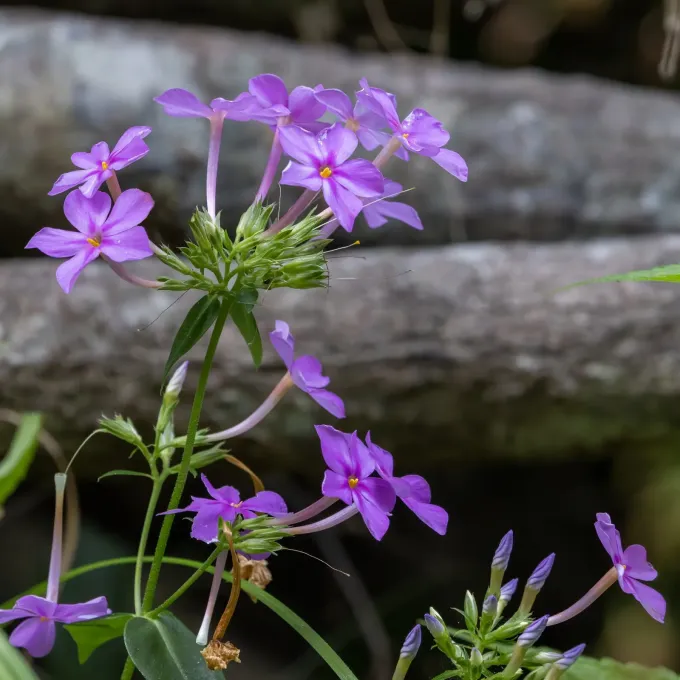
Description
Sowing dates
Propagation of Carolina phlox (Phlox carolina) and spotted phlox (Phlox maculata) is most commonly achieved through vegetative methods such as root division or stem cuttings. Early spring or late summer are the ideal periods for dividing established clumps.
When propagating via cuttings, soft-stem cuttings are taken during the active growth phase and placed in a moist, sandy substrate. Maintaining high humidity is essential for rapid rooting of the new plants.
Seed propagation requires a period of cold stratification. Sowing seeds in late autumn allows the natural winter temperatures to trigger germination processes, resulting in stronger seedlings the following spring.
Proper spacing is vital during planting; keeping the plants 45–50 centimeters apart ensures sufficient air circulation, which helps reduce the risk of humidity-related foliage diseases.
When planting, ensure that the crown of the plant is positioned just beneath the soil surface. Deep planting can lead to rot, while shallow planting may leave the roots susceptible to winter frost damage.
Growing requirements
These species belong to the Polemoniaceae family and are native to North America, where they thrive in moist, meadow-like environments. They are highly valued for their upright growth habit and dense flower panicles.
The culture requires nutrient-rich, moisture-retentive, and well-drained soil. A neutral to slightly acidic pH is considered optimal for the healthy development of both root and above-ground systems.
While these plants are sun-loving, they perform exceptionally well in areas with partial shade during the hottest hours of the day. Consistent moisture levels in the root zone are necessary for long-term survival.
Balanced fertilization is key to a successful crop. Application of a balanced NPK fertilizer in early spring supports vigorous foliage growth, while mid-season feeding helps maintain the intensity of floral displays.
Mulching the soil with organic matter such as compost or wood chips helps maintain soil temperature stability and suppresses competing weeds, providing the phlox with a healthier growing environment.
Main diseases and pests
Powdery mildew is the most common challenge for these plants. It is characterized by a white, flour-like coating on leaves and stems, which can be mitigated with proper airflow and regular fungicide applications.
Stalk nematodes present a significant threat to the health of the plants, causing stunted growth and twisted stems. Because they are difficult to control, preventative measures and sanitation are the primary defenses.
Insect pests like aphids and plant bugs can cause significant damage by feeding on young tissue. Integrated pest management using insecticidal soaps or systemic pesticides is effective when outbreaks occur.
Poor soil drainage leads to crown rot and root diseases. Ensuring that the planting site has adequate permeability is essential to prevent these fungal infections from taking hold in the root system.
Sanitary practices, such as removing dead foliage and clearing plant debris at the end of the season, are crucial for reducing the overwintering populations of pests and fungal pathogens.