
Kelsey's phlox
Phlox kelseyi Britton
Description
Sowing dates
Kelsey's phlox seeds are best sown in the autumn as they require a period of cold stratification to break dormancy and ensure high germination rates in the spring.
If sowing is planned for spring, seeds should be kept in cold storage at temperatures between 0 and 5 degrees Celsius for several weeks before planting.
Transplanting seedlings into the garden should occur in late spring, once the risk of severe frost has passed and the ground has warmed up sufficiently.
Vegetative propagation, such as division or stem cuttings, is most effective in late summer or early autumn to allow root establishment before the onset of winter.
When selecting a site, it is crucial to ensure that the soil remains relatively loose to facilitate the quick development of the plant's delicate root system.
Growing requirements
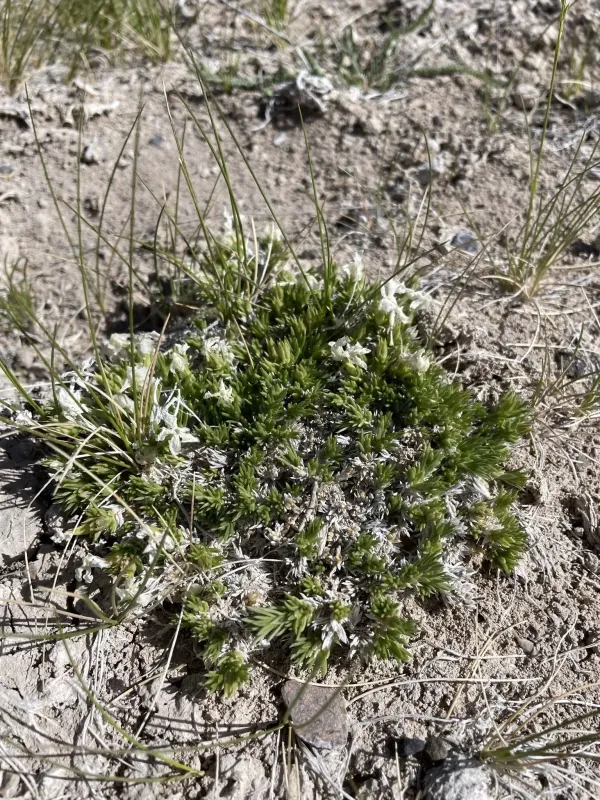
Phlox kelseyi is a perennial herbaceous plant belonging to the Polemoniaceae family, highly valued for its low-growing, mat-forming, and cushion-like growth habit.
Native to the mountain regions of North America, this species is naturally adapted to harsh climates, including high-altitude exposure and seasonal droughts.
The plant thrives in well-drained, gritty, or sandy soils, maintaining a neutral to slightly acidic pH, which mimics the alpine conditions of its original habitat.
Good drainage is the most critical requirement for long-term survival, as standing water during winter months can lead to crown rot and permanent loss of the plant.
Kelsey's phlox prefers a sunny location, although it can tolerate partial shade in hotter climates to protect it from extreme midday sun exposure.
Main diseases and pests
Powdery mildew is a common fungal disease affecting Phlox kelseyi, especially in humid and poorly ventilated environments where air circulation is restricted.
Nematode infestations can severely compromise the root structure, leading to stunted growth, yellowing foliage, and eventually the decline of the entire plant cluster.
Spider mites are the most frequent insect pests, thriving in hot, dry conditions and drawing vital nutrients from the leaves, resulting in stippling and discolouration.
Maintaining adequate spacing between individual plants is the best preventative measure to ensure airflow and reduce the humidity levels that favor fungal development.
Regular inspection of the foliage for signs of pests or pathogens is recommended, followed by the application of targeted fungicides or acaricides if necessary.