
Broad-leaved phlox
Phlox amplifolia Britton
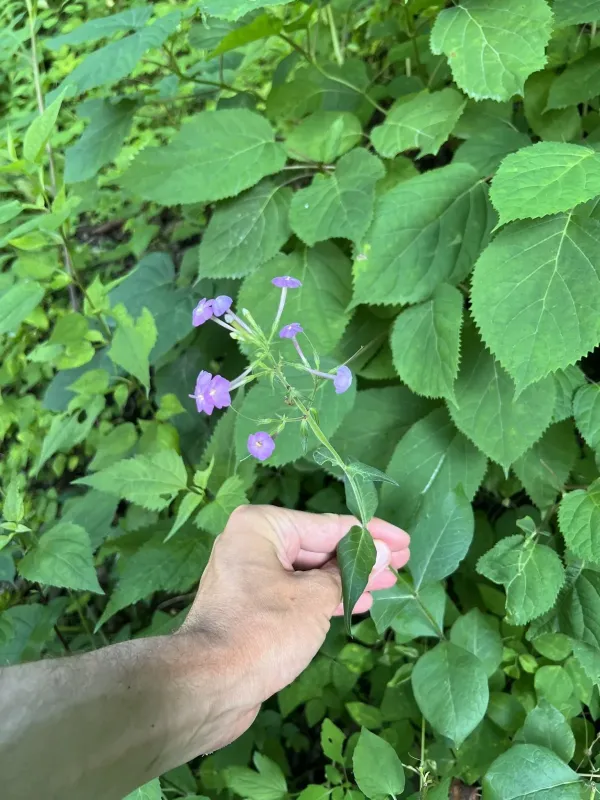
Description
Growing requirements
Broad-leaved phlox (Phlox amplifolia) is a perennial herbaceous plant belonging to the Polemoniaceae family. Native to the woodlands and meadows of North America, it is valued for its unique morphology and distinctively leathery foliage.
The plant features sturdy, upright stems that can reach heights of over one meter, making it a robust addition to any landscape. Unlike other common phlox species, it displays a specific leaf structure and texture that provides visual interest throughout the season.
Cultivation requires nutrient-rich, well-drained soil that maintains consistent moisture. While it is adaptable, the best performance is observed in soils amended with organic matter such as compost or well-rotted manure applied in the early spring.
The plant thrives in full sun but benefits from light afternoon shade in hotter climates. Adequate spacing is essential to ensure proper air circulation, which is critical for reducing the microclimate humidity around the foliage and preventing disease outbreaks.
Hardiness is a key feature of this species, allowing it to survive harsh winters without special protection. It is a reliable perennial that demonstrates vigorous growth once established, requiring minimal maintenance after the initial planting year.
Main diseases and pests
Fungal diseases are the primary concern for Phlox amplifolia, with powdery mildew being the most prevalent. This fungus thrives when environmental conditions include high humidity and stagnant air, often exacerbated by overcrowding.
Leaf spot diseases can also occur, particularly during wet seasons. To manage these, it is advisable to water the soil surface rather than overhead, and to prune back diseased foliage immediately to prevent the spread of spores to healthy plant tissue.
Pests such as stem nematodes present a significant challenge, as they can weaken the plant by feeding on internal tissues. Proper sanitation, including the destruction of infested plant parts, is the most effective method for controlling nematode populations.
- Monitor for aphid infestations on young, tender shoots.
- Apply systemic insecticides only when necessary.
- Use sterile tools during pruning to prevent viral transmission.
Maintaining a clean garden bed is essential for long-term health. By removing all debris in the late autumn, gardeners can significantly reduce the overwintering capacity of many pathogens and insect larvae that target the broad-leaved phlox.