
Wild blue phlox
Phlox divaricata L.
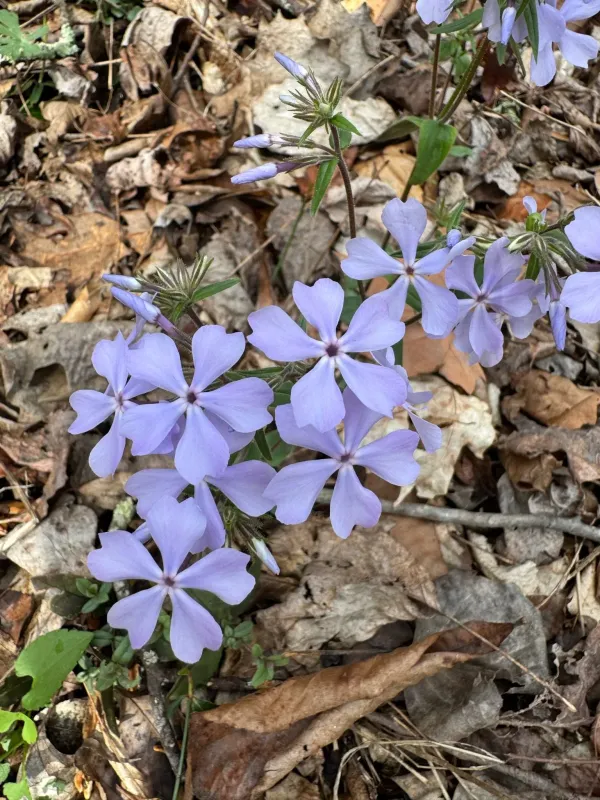
Description
Sowing dates
Wild blue phlox (Phlox divaricata) is typically propagated by division, a process ideally performed in early spring or after the plant has finished flowering in late summer.
Stem cuttings can also be successfully rooted in a moist, soilless medium if kept in a protected area with high humidity and indirect lighting throughout the process.
Seed propagation is possible, but it requires a period of cold stratification to break seed dormancy and ensure consistent germination rates in the spring.
Seeds should be sown in trays filled with a lightweight, sterile potting mix and kept at cool temperatures for several weeks before being moved to warmer locations.
Transplanting into the garden bed should occur only after the risk of hard frost has passed, ensuring plants are spaced adequately to allow for natural spread.
Growing requirements
Belonging to the Polemoniaceae family, Phlox divaricata is a native North American plant primarily adapted to woodland understory environments.
The ideal growing medium for this species consists of rich, moist, well-draining soil that remains cool throughout the growing season.
As a woodland plant, it performs best in dappled shade or partial sun, avoiding the intense heat of direct mid-day solar exposure.
Consistent soil moisture is essential; the root system is fibrous and shallow, making the plant susceptible to drought stress during dry summers.
Mulching with organic matter is highly recommended to regulate soil temperature, retain moisture, and simulate the plant's natural forest floor habitat.
Main diseases and pests
Powdery mildew is the most frequent disease affecting wild blue phlox, often triggered by poor air circulation and high humidity levels in the garden.
Various leaf spot fungi can compromise the foliage, particularly during rainy seasons, potentially weakening the plant before the winter dormancy period.
Stem nematodes represent a significant biotic threat, causing stunted growth and twisted stems that are difficult to treat once the infestation is established.
Pests such as spider mites and aphids may congregate on the underside of leaves during hot weather, sucking sap and reducing the plant's overall vigor.
Integrated pest management, including regular sanitation and prompt removal of infected debris, is the best strategy for maintaining a healthy planting.