
Meadow phlox
Phlox maculata L.
Description
Growing requirements
Meadow phlox (Phlox maculata L.) is a perennial herbaceous plant belonging to the Polemoniaceae family. It is native to North America, typically found in moist meadows, alluvial woods, and along stream banks, which dictates its preference for specific habitats.
The crop requires fertile, humus-rich, and moisture-retentive soils to thrive. While it favors moist conditions, it is essential to ensure adequate soil drainage, as the roots can be susceptible to rotting in waterlogged environments during the dormant season.
Cultivation should prioritize locations with full sun to partial shade. Exposure to direct sunlight is beneficial for flower production, but some shelter from the intense afternoon heat helps maintain the quality of the foliage and extends the blooming period.
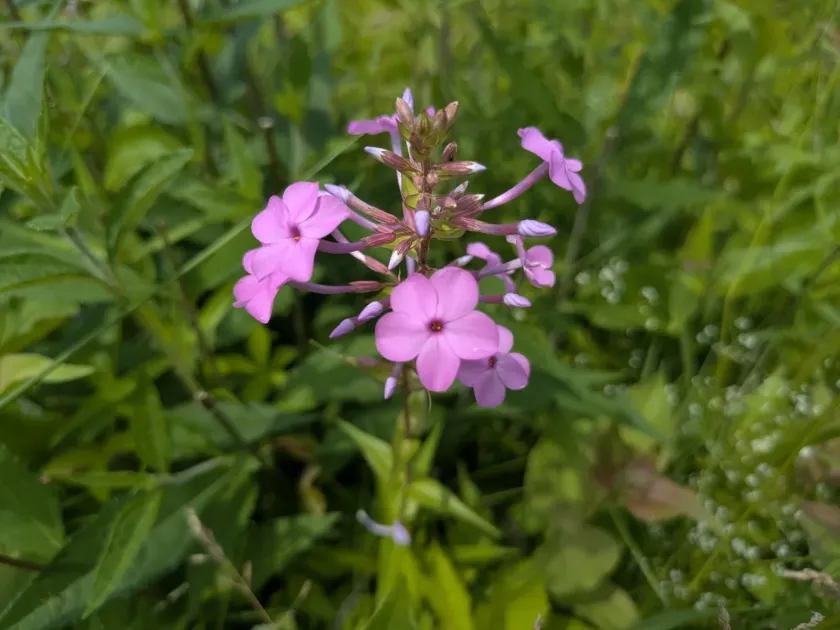
Botanically, this species is defined by its spotted stems, which give it a unique aesthetic appeal compared to other phlox varieties. The inflorescences are typically cylindrical or spike-like, blooming earlier in the summer than many other common garden phloxes.
The plant is highly valued for its ornamental versatility in landscaping and commercial flower production. It is used in mixed borders, naturalistic planting schemes, and as a source of cut flowers due to its strong stems and long-lasting blossoms.
Main diseases and pests
The most significant threat to Phlox maculata is powdery mildew, a fungal disease that manifests as white patches on leaves. It is particularly prevalent in crowded plantings with poor air circulation, necessitating strategic spacing and proper pruning.
Stem nematodes represent a serious pest that can cause stunted growth, leaf distortion, and overall weakening of the plant. Strict sanitation practices and selecting certified disease-free stock are the best methods for prevention.
Spider mites are common pests that thrive in dry and hot conditions. They damage foliage by sucking plant sap, which often leads to leaf discoloration and premature shedding if not controlled with appropriate acaricides.
Leaf spot diseases can also occur, primarily caused by fungal pathogens that thrive in damp weather. Regular removal and disposal of infected plant debris are essential to interrupt the disease cycle and ensure the health of the entire garden bed.
Root rot is often a symptom of poor site selection or overwatering. Maintaining a balanced irrigation schedule is critical to ensuring that the root system remains vigorous and capable of supporting the plant throughout its growing cycle.