
Teff
Eragrostis tef (Zuccagni) Trotter
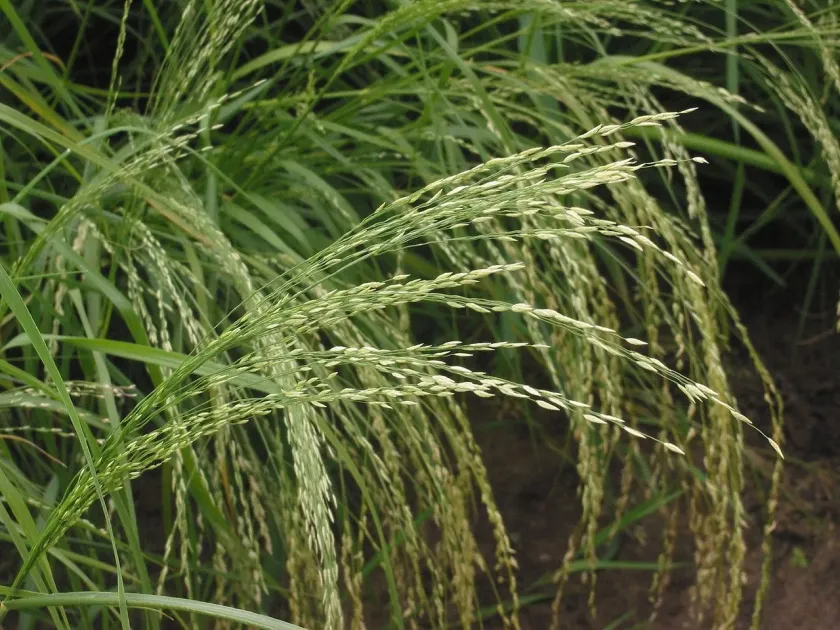
Description
Sowing dates
Teff is a warm-season crop, requiring soil temperatures of at least 15–20°C for successful germination. Sowing should only occur after the risk of frost has passed.
Due to the extremely small size of teff seeds, they must be sown very shallowly, typically at a depth of 0.5 cm or less, to ensure they have enough energy to emerge.
Seeds are often broadcasted or sown in narrow rows. Proper seedbed preparation is vital; the soil should be firm and fine to ensure good soil-to-seed contact for moisture absorption.
Seeding rates typically range from 5 to 10 kilograms per hectare. Because the plants are initially slow to establish, high seeding density helps suppress early weed growth.
Effective stand establishment relies on consistent surface moisture during the first two weeks following planting, as the seedlings are delicate and prone to desiccation.
Growing requirements
Teff (Eragrostis tef) is an annual grass species belonging to the Poaceae family. It is native to the Ethiopian Highlands, where it has been cultivated for millennia.
The crop is highly adaptable to various soil types, ranging from heavy clays to loams, provided they are not excessively waterlogged. It thrives in moderate to high temperatures.
Teff is renowned for its resilience to drought. It has an efficient root system that allows it to survive periods of water scarcity that would damage other cereal crops.
It requires high solar radiation to reach its full productive potential. The plant is day-length sensitive and thrives in environments with long, bright growing days.
Adequate management of the field, including shallow cultivation to control weeds before canopy closure, is the most labor-intensive part of the agronomic cycle.
Yield
Grain yields for teff generally range from 0.8 to 2.5 tonnes per hectare under standard cultivation practices. Performance is highly sensitive to variety selection.
As a dual-purpose crop, teff is also harvested for its biomass. Hay yields can reach up to 10 tonnes per hectare, making it a highly valued forage for livestock.
Yield stability is improved through proper crop rotation and the strategic application of balanced fertilizers, particularly phosphorus, which aids early root development.
Excessive nitrogen fertilization can lead to lodging, where the stems collapse, making mechanical harvesting nearly impossible and significantly reducing the total yield.
Advancements in plant breeding are steadily increasing yields by focusing on shorter, stronger stalks that can withstand the mechanical harvest process more efficiently.
Main diseases and pests
Teff is generally considered a low-input crop with fewer significant disease and pest pressures compared to more common cereals like wheat or maize.
Rust diseases, specifically leaf rust, can occur in humid environments with poor air circulation, potentially reducing the photosynthetic capacity of the plants.
Insect pests are generally localized. In some regions, grasshoppers or specific lepidopteran larvae may cause damage to the leaves or the developing panicles.
Waterlogging is a major physiological threat that induces root rot and stunted growth. Proper field drainage is the best preventative measure against these conditions.
Weed management remains the most critical hurdle. Because teff seedlings grow slowly, they are easily outcompeted by aggressive weed species during the first month.
Harvesting
Harvesting teff is a delicate operation due to the tiny size of the grain, which is prone to shattering if the crop is left too long in the field after maturity.
The crop is typically harvested when the panicles change color and moisture levels drop. Swathing (cutting and leaving in windrows) is common to allow uniform drying.
Combine harvesting requires careful calibration of fan speeds and sieve sizes. Because the grains are smaller than the mesh of standard sieves, loss prevention is key.
Post-harvest handling is critical. Teff grains must be thoroughly cleaned and dried to a moisture content of around 12% to prevent mold growth during storage.
The straw remaining after threshing is highly palatable and is considered a valuable byproduct, often used for animal bedding or as a high-quality forage supplement.