
Eragrostis elongata
Eragrostis elongata
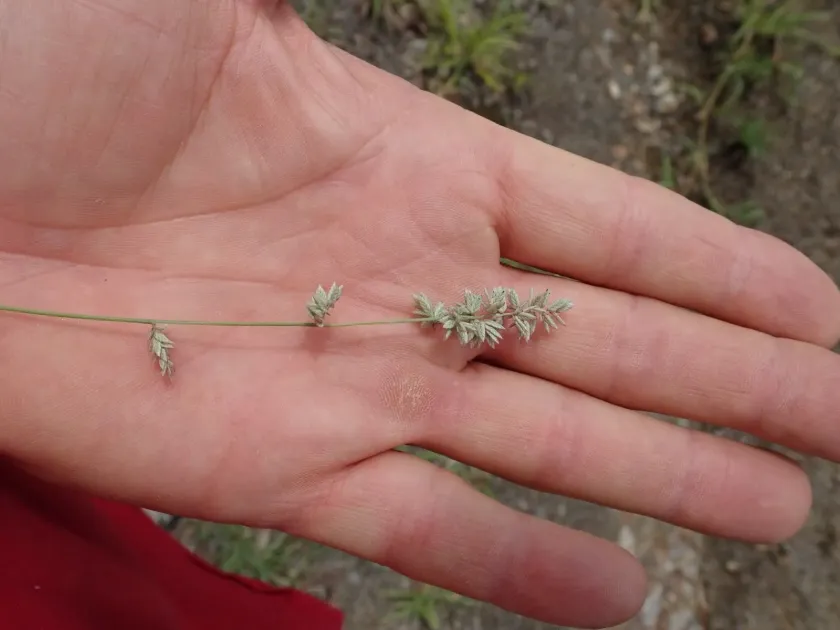
Description
Sowing dates
Sowing Eragrostis elongata is best performed during the spring season, once soil temperatures reach approximately 15–18 degrees Celsius. Adequate moisture in the topsoil is essential during the first two weeks post-sowing to ensure successful germination.
The seeds of this species are remarkably small, requiring shallow sowing at a depth of 1–2 centimeters. Using precision seed drills helps achieve a uniform plant density and prevents overcrowding, which could lead to competition among seedlings.
Seeding rates depend on the intended use, whether for pastures or hay production. It is recommended to perform soil rolling immediately after sowing to ensure optimal seed-to-soil contact, which significantly improves seedling establishment.
Before sowing, it is advisable to conduct seed cleaning and calibration to remove chaff and hollow grains. This process boosts germination energy and ensures the overall quality of the resulting stand.
Post-emergence, the crop requires careful weed management. As Eragrostis elongata exhibits moderate initial growth rates, timely mechanical weeding or targeted control measures are necessary to avoid competition from faster-growing weeds.
Growing requirements
This grass species prefers well-drained sandy or light loamy soils. It demonstrates a high level of adaptability to various soil pH levels, although it performs poorly in waterlogged conditions, which can lead to root system decay.
Eragrostis elongata is widely recognized for its drought tolerance, a trait attributed to an efficient root system capable of extracting moisture from deep soil horizons. It thrives under direct sunlight and high temperatures.
For optimal biomass production, the plant requires consistent sunlight and temperatures exceeding 20 degrees Celsius. While it is hardy, providing adequate nutrition—particularly nitrogen during the early growth phase—is crucial for yield.
Excessive use of mineral fertilizers should be managed to prevent lodging. Balanced phosphorus and potassium applications are recommended to strengthen the root system and overall plant structure, increasing environmental resilience.
- Good soil aeration is critical for sustained root health.
- The plant shows high tolerance to heat-induced stress.
- Proper moisture management during the growing season maximizes leaf density.
Yield
The yield of Eragrostis elongata is directly linked to management intensity and harvesting frequency. Under ideal conditions, this crop is capable of producing several cuttings throughout the growing season.
The green biomass is highly nutritious, making it a viable component of livestock forage systems. It is best harvested before the flowering phase begins, as this is when nutrient density is at its peak for animal consumption.
Applying fertilizer after each harvest significantly stimulates regrowth. Agronomists often suggest a balanced nutrient regime to maintain high productivity throughout the lifespan of the plantation.
Seed yield varies depending on local climatic conditions during the reproductive phase. Timely harvesting is essential to prevent seed shattering, which is a common characteristic of many wild-type grasses.
Peak productivity typically occurs between the second and fourth years of establishment. Beyond this, management practices such as overseeding or rejuvenation may be required to maintain stand uniformity.
Main diseases and pests
Like many grasses, Eragrostis elongata can be susceptible to fungal diseases, especially under high humidity conditions. Rusts and leaf spots are the most common issues, which can be mitigated through proper crop rotation.
Pests such as cereal flies and aphids can cause damage to young seedlings. Regular field monitoring is essential to detect pest activity early, allowing for timely intervention before significant economic damage occurs.
Root rot often occurs in compacted or waterlogged soils. Improving soil drainage and ensuring proper air circulation around the plants are effective preventative measures against these soil-borne pathogens.
The use of biological control agents is encouraged in modern integrated pest management strategies to ensure that the resulting forage remains safe for livestock consumption and environmentally friendly.
Overall plant resistance to diseases is improved through optimal mineral nutrition and by avoiding mechanical damage to the root zone during agricultural operations.
Harvesting
The optimal harvest window for hay production occurs during the booting stage. Harvesting at this time ensures the best balance of protein, carbohydrates, and fiber for animal nutritional requirements.
Post-cutting, it is essential to dry the biomass quickly. Proper curing maintains the natural color and nutritional profile of the forage, which is highly valued for winter feed supplies.
When harvesting for seeds, equipment must be carefully adjusted to handle the thin, fragile seed coat and prevent crushing. Direct combining followed by thorough drying on the floor is the standard industry practice.
A cutting height of at least 5–7 centimeters is recommended to preserve the plant's crown and growing points, which facilitates rapid regrowth for subsequent cuttings.
Stored hay should be kept in well-ventilated, dry facilities to prevent mold growth and spontaneous heating, ensuring the feed maintains its quality for long-term storage.