
Eragrostis amabilis
Eragrostis amabilis (L.) Wight & Arn.
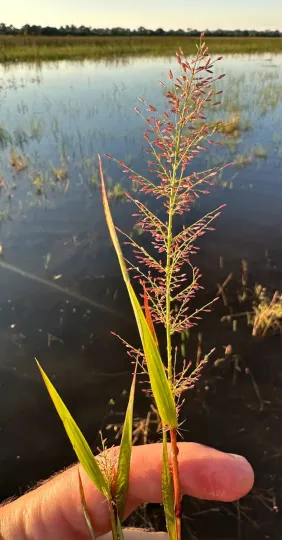
Description
Sowing dates
Eragrostis amabilis is a heat-loving crop, requiring soil temperatures to reach at least 15-18 degrees Celsius before planting can safely commence.
The ideal sowing window occurs in late spring or early summer, once the risk of frost has passed to prevent damage to delicate seedlings.
Given the extremely small size of the seeds, a surface sowing method or minimal soil coverage is required for successful germination.
Proper land preparation is essential to ensure a smooth, level seedbed, which allows for uniform seed distribution and better emergence rates.
Under conditions of consistent moisture and warmth, germination usually occurs within two weeks, signaling the start of the vegetative growth phase.
Growing requirements
Belonging to the Poaceae family, this grass thrives in light, well-drained soils with a pH ranging from neutral to slightly acidic.
While the plant shows notable drought tolerance, it requires adequate moisture during peak growing periods to maximize the production of vegetative biomass.
Full sun exposure is vital for this species, as shading typically results in reduced vigor, poor tillering, and an overall decline in growth performance.
The plant does not tolerate waterlogged conditions or poor drainage, which can lead to root system decay and poor development in agricultural settings.
Supplemental fertilization, particularly with nitrogen-rich compounds, can significantly boost development and improve the nutritional value of the forage.
Yield
Yield potential is largely determined by soil fertility and the adoption of professional agricultural practices throughout the growing season.
As a forage crop, Eragrostis amabilis is prized for its ability to recover quickly following grazing or mechanical harvesting events.
Multi-cut harvesting systems are recommended to maximize efficiency, allowing for several harvests per season under favorable climate conditions.
The grass forms a dense, hardy turf that provides a consistent and reliable supply of dry matter for livestock nutritional requirements.
Effective stand management ensures that the plant remains productive for multiple years, providing sustained economic value to the farm operation.
Main diseases and pests
While generally resistant to most common grass diseases, the plant may experience issues with powdery mildew in environments with excessive humidity.
Pests such as cereal flies and aphids can impact young stands, making periodic field monitoring a critical component of standard pest management.
Root rots can become a concern if crop rotation is ignored or if the soil becomes excessively compacted, preventing proper aeration and root growth.
Weed competition is most significant during the establishment phase, as the crop is relatively slow-growing until it develops a strong root system.
Proactive prevention, including ensuring optimal plant density and field hygiene, is the most effective way to manage these biological risks.
Harvesting
Timing of the harvest depends heavily on the intended use, whether the crop is being utilized for green fodder, hay production, or seed harvesting.
For high-quality forage, harvesting should occur before the emergence of panicles to ensure that the plant material remains tender and nutrient-dense.
Mechanical harvesting equipment should be calibrated to maintain root integrity, which facilitates faster regrowth of the plant after the cut.
When harvesting seeds, extreme care is needed to prevent shattering, as the seeds are quite fragile and easily dispersed by wind or machinery.
Proper post-harvest management, including rapid drying and storage in moisture-controlled environments, is essential to maintain the quality of the yield.