
Eragrostis plana
Eragrostis plana Nees
Description
Sowing dates
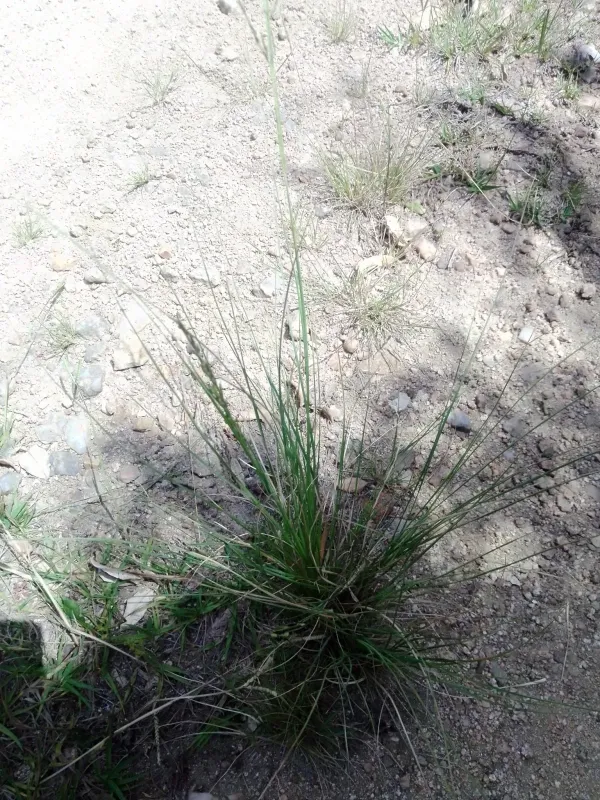
Eragrostis plana Nees, commonly known as a type of weeping lovegrass, is a perennial grass belonging to the Poaceae family. It is recognized in agriculture for its exceptional resilience and ability to establish deep root systems in challenging environments.
Sowing should ideally occur in the spring, once soil temperatures reach 15-18 degrees Celsius. Using high-quality, viable seed is essential for ensuring quick germination and strong root development during the critical early growth phase.
Seeds must be shallowly planted at a depth of 1-2 centimeters due to their small size. Maintaining row spacing between 20 and 30 centimeters provides enough room for individual plants to develop while effectively covering the soil to shade out weeds.
Rolling the soil immediately after seeding is a recommended practice to ensure good seed-to-soil contact. This improves moisture retention around the seeds, which is vital for successful establishment in drier growing regions.
The establishment phase is characterized by slow initial growth, requiring careful weed management. However, once the tillering stage is achieved, the plant becomes highly aggressive and competitive against encroaching unwanted vegetation.
Growing requirements
Native to Southern Africa, this grass has evolved to be highly drought-tolerant and adaptable to various harsh climates. It thrives in diverse soil types, including those that are nutrient-deficient or have suffered from degradation.
While the plant prefers well-drained soils, it can tolerate brief periods of waterlogging without suffering significant damage to its yield potential. Its deep-reaching root system allows it to exploit deeper moisture reserves during dry spells.
Optimal growth is achieved in sunny, open locations with minimal shade cover. The plant is hardy against cold temperatures during dormancy, but its green foliage is susceptible to frost, which effectively ends its active growing season.
Strategic fertilization, particularly with nitrogen, significantly boosts vegetative biomass production. Nevertheless, the species remains productive even under low-input farming systems, making it a reliable option for extensive grazing lands.
The plant is versatile regarding soil pH, allowing for cultivation on a wide range of sites. It responds positively to liming in overly acidic soils, which helps to optimize nutrient availability and promote more vigorous growth.
Yield
The primary use of Eragrostis plana is as a forage crop and for soil erosion control. Due to its tough and fibrous structure, timely harvesting is necessary to ensure the biomass remains palatable and nutritionally beneficial for livestock.
Forage yield is largely dependent on seasonal rainfall, but the crop is considered highly productive in favorable conditions. Multiple cuts per season are possible if irrigation or consistent rainfall is available during the active growing period.
Hay derived from this grass maintains quality for a significant period if stored properly. It serves as a vital reserve feed for farmers during drought years when the productivity of more sensitive forage crops declines significantly.
The dense root mat makes the plant an excellent tool for phytoremediation and stabilizing eroded landscapes. It is frequently included in seed mixtures intended for the restoration of degraded or damaged agricultural lands.
Seed production is an additional commercial objective, though it requires careful timing as seeds do not mature uniformly. Precise monitoring of seed heads is essential to capture the harvest at the peak of maturity.
Main diseases and pests
Diseases are often linked to high humidity levels, which can encourage fungal infections within the dense stands. Implementing regular mowing practices helps improve airflow and reduces the susceptibility of the stand to pathogens.
Common pests include typical grassland insects such as grass flies and certain aphid species. In intensive agricultural settings, it is advisable to monitor pest populations to prevent significant damage to the biomass.
Competition from weeds is mainly a factor during the first year of establishment. Given the plant's natural competitive ability and hardy nature, it is generally resistant to most common biotic stressors once fully mature.
Management strategies focus on crop rotation and efficient harvesting cycles to maintain plant vigor. Chemical interventions are rarely required, keeping the cultivation profile low-impact and sustainable for long-term use.
Rotating out of Eragrostis plana periodically helps prevent the buildup of soil-borne pathogens. This ensures the long-term health of the field and maintains high productivity levels throughout the life of the stand.