
Weeping lovegrass
Eragrostis curvula (Schrad.) Nees
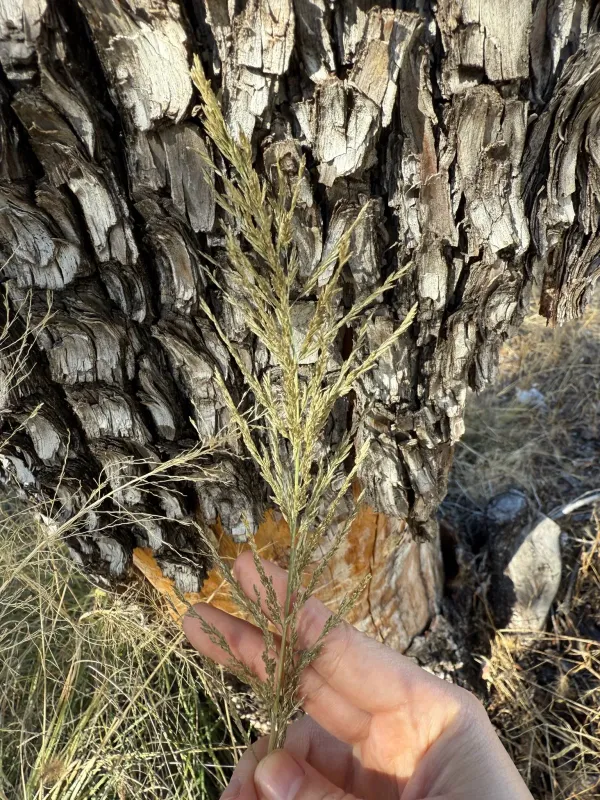
Description
Sowing dates
Weeping lovegrass is typically sown during the spring months once the soil temperature is consistently above 15°C, ensuring rapid germination.
The seeding rate ranges from 2 to 5 kilograms per hectare, depending on the specific method of seeding and the intended final use of the field.
Given the tiny size of the seeds, shallow planting at a depth of no more than 1 centimeter is critical to ensure that the seedlings successfully reach the surface.
Post-seeding rolling is highly recommended to improve soil contact, which helps retain moisture and prevents the seeds from being washed away or buried too deep.
Weed management is vital during the establishment phase, as the young grass has a slow initial growth rate and can easily be outcompeted by aggressive weeds.
Growing requirements
Weeping lovegrass is a perennial member of the Poaceae family, widely recognized for its exceptional resilience in drought-prone and challenging environments.
Originating from southern Africa, this grass thrives on a wide range of soil types, though it performs best on sandy and well-drained loamy soils.
It is a sun-loving species that requires full exposure to sunlight; productivity significantly decreases when the plants are shaded by other tall vegetation.
The plant is highly valued for its ability to grow in acidic soils and on degraded lands, making it an excellent choice for environmental restoration projects.
Temperature range for optimal growth is 20–30°C, and while it is heat-tolerant, it will enter dormancy during winter frost to protect its root system.
Yield
Yield potential is highly responsive to nitrogen fertilization and moisture availability, often producing between 5 and 12 tonnes of dry matter per hectare annually.
The species is known for its quick regrowth cycle, which allows for multiple hay harvests during a single growing season under optimal management conditions.
Regular maintenance, including strategic fertilization, ensures a higher concentration of crude protein in the forage, improving livestock performance.
Its deep and extensive root system allows the plant to sustain productivity even during prolonged dry spells, ensuring a reliable food source for herds.
Due to its high resilience, it is widely used in pasture systems where it withstands grazing pressure well without losing density or vigour.
Main diseases and pests
Root rot diseases are the primary threats, particularly in areas with poor drainage or prolonged periods of waterlogging during the early growing season.
Fungal leaf diseases, such as rust, can appear during humid periods, which may impact the palatability and overall nutritional quality of the forage.
Wireworms and other soil-dwelling insects can pose significant risks to young seedlings, potentially reducing the stand density during the establishment year.
Maintaining a balanced ecosystem within the pasture and avoiding over-application of chemicals helps manage pest populations effectively.
Proactive monitoring and the use of resistant varieties, where available, serve as the most effective defense strategies against these agricultural threats.
Harvesting
Harvesting for hay should ideally take place at the early heading stage, before the grass starts to mature and lose its nutritional value and digestibility.
If harvesting is delayed, the stalks become lignified and tough, which reduces the voluntary intake and performance of livestock consuming the hay.
Efficient haymaking processes, including timely tedding and drying, are essential to preserve the colour and quality of the forage for winter storage.
Seed harvesting should be performed when the panicles show signs of maturity, typically identified by a change in colour and easy seed shedding.
For grazing operations, rotational stocking is recommended to ensure even utilisation of the forage and to allow the plants to recover after grazing periods.