
Tea-leaved willow
Salix phylicifolia L.
Description
Growing requirements
The tea-leaved willow (Salix phylicifolia L.) is a hardy deciduous shrub belonging to the Salicaceae family. Naturally occurring in northern Eurasia, it is highly valued for its exceptional cold tolerance and adaptability to damp, acidic environments where other crops often fail.
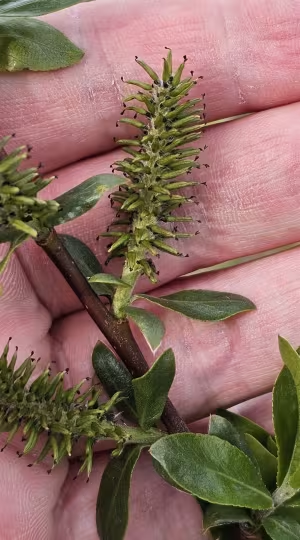
This species is characterized by its tea-like leaves and robust growth habit, reaching heights of 1–3 meters. It thrives in soils with high moisture content, such as those found in riparian zones, wetlands, and peatlands, making it an excellent candidate for ecological restoration and land drainage.
Cultivation requires exposure to full sunlight for optimal biomass production. While it tolerates various soil types, it performs best in well-drained but consistently moist silty or loamy soils. Periodic irrigation may be necessary if the species is cultivated outside of its preferred wetland habitats.
Agronomic management involves spacing the plants appropriately to facilitate air circulation, which helps maintain the health of the foliage. Propagation is typically achieved through dormant hardwood cuttings, which show high rooting success rates during the early spring season.
Beyond its use in basketry and craft, Salix phylicifolia serves as a critical source of early-season nectar for pollinators. Furthermore, it is increasingly explored as a sustainable source of woody biomass for bioenergy, thanks to its rapid regrowth capabilities after harvesting.
Main diseases and pests
Like many species in the Salix genus, the tea-leaved willow is susceptible to fungal infections, specifically leaf rust (Melampsora spp.). These pathogens are prevalent in regions with stagnant air and high humidity, necessitating proper plantation density management.
Insect pests, such as leaf beetles (Chrysomelidae), can cause significant defoliation if left unchecked. A healthy plant can withstand minor feeding, but severe infestations require targeted monitoring and cultural control measures to protect the biomass yield.
The primary control strategy involves selective pruning of infected branches to enhance crown airflow and reduce the humidity levels that favor fungal spore germination. This practice also helps in removing overwintering sites for various insect pests.
Weed competition during the establishment phase is a major threat to growth rates. Keeping the base of the shrub clear of competing vegetation allows for better resource uptake and minimizes the risk of pathogens migrating from weeds to the willow plants.
To maintain a productive plantation, regular monitoring during the growing season is essential for the early detection of stress symptoms. Choosing diverse, resistant clones is a recommended practice to improve overall plantation resilience against local pests and diseases.