
Olearia phlogopappa
Olearia phlogopappa (Labill.) DC.
Description
Growing requirements
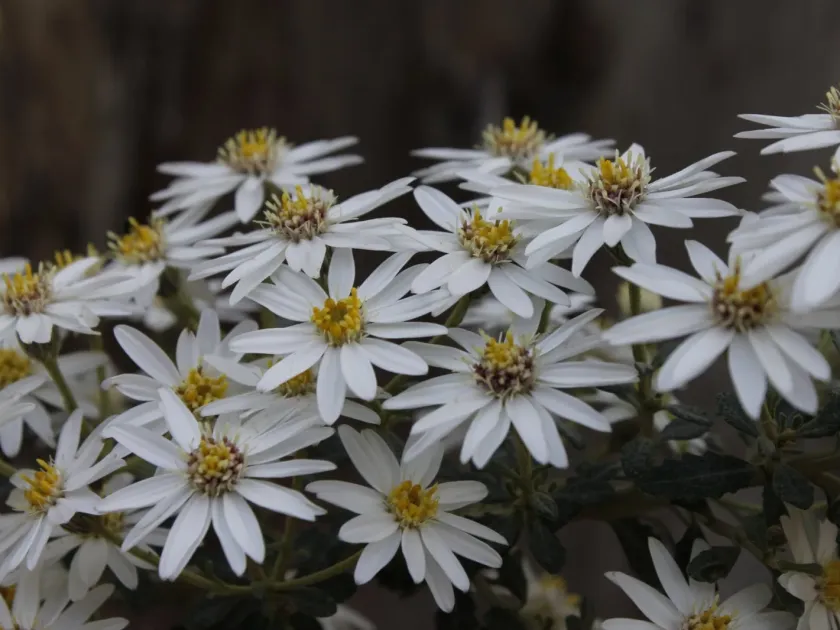
Olearia phlogopappa, commonly known as the dusty daisy bush, is a perennial evergreen shrub belonging to the Asteraceae family. It is native to southeastern Australia and Tasmania, thriving in temperate environments with consistent humidity.
The crop requires well-drained, porous soil to prevent root rot, which is a major physiological challenge for this species. Sandy loams or soils with high organic matter content are ideal, provided the pH is maintained between slightly acidic and neutral.
Proper site selection is crucial; the shrub performs best in full sun or light shade. Adequate spacing is necessary to facilitate airflow, which significantly reduces the humidity buildup around the foliage and minimizes fungal risks.
Agronomic management involves periodic pruning, especially after the flowering flush, to prevent the shrub from becoming leggy. Mulching is highly recommended to maintain soil moisture levels and suppress weed competition during the establishment phase.
While mature plants are moderately hardy, young specimens require protection from heavy frosts and desiccating winds. Consistent but measured watering is preferred over irregular deep irrigation to maintain healthy development.
Main diseases and pests
The most common threats to Olearia phlogopappa are related to root pathogens, particularly Phytophthora species, which thrive in waterlogged conditions. Proper drainage is the primary defense strategy.
Insect pests include aphids and spider mites, which can cause leaf yellowing and reduced vigor. Monitoring during warmer months allows for early intervention before infestations become widespread.
Fungal infections such as powdery mildew can occur if the plant is sited in an area with poor air circulation. Thinning out the center of the shrub helps improve internal airflow.
Treatment protocols involve the use of standard horticultural oils for mite control and copper-based fungicides for early-stage fungal outbreaks, provided they are applied during calm weather.
Integrated pest management (IPM) practices, such as encouraging beneficial insects and maintaining healthy soil microbial activity, effectively mitigate most biological risks for this species.