
Olearia nummulariifolia
Olearia nummulariifolia (Hook. f.) Hook. f.
Description
Growing requirements
Olearia nummulariifolia is a hardy evergreen shrub belonging to the Asteraceae family. It is native to New Zealand, primarily found in subalpine regions, which has shaped its robust growth habit and ability to withstand cooler mountain environments.
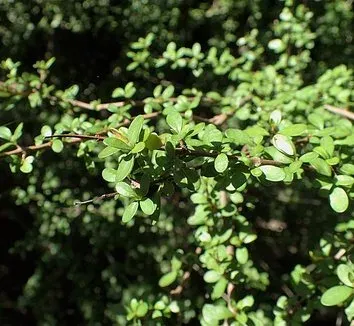
The plant is botanically distinguished by its unique small, coin-shaped leaves that are densely arranged along the twigs. These leaves are often covered with a dense, matted tomentum, providing excellent protection against high-altitude winds and excessive transpiration.
For successful cultivation, this crop requires well-drained, porous soil with a slightly acidic to neutral pH. It is crucial to prevent waterlogging, as the plant is highly susceptible to root rot if the soil moisture remains too high for extended periods.
Regarding climate requirements, the plant prefers cool to moderate temperatures and plenty of sunlight. While it is tolerant of exposure, it performs best when sheltered from harsh, drying winds during the coldest months of the year.
In terms of agricultural and horticultural use, Olearia nummulariifolia is valued for its versatility in landscape design. It is frequently used for low hedges, textural contrast in mixed borders, and as a durable container plant in temperate climates.
Main diseases and pests
The plant is relatively resistant to major pests; however, it can occasionally be affected by scale insects and aphids in poorly ventilated conditions. Regular monitoring is recommended to maintain plant health.
Fungal diseases are primarily linked to poor soil drainage or excessive humidity. To mitigate these risks, it is advised to ensure proper spacing between plants and avoid overhead watering that keeps the foliage constantly damp.