
Holly-leaved olearia
Olearia macrodonta Baker
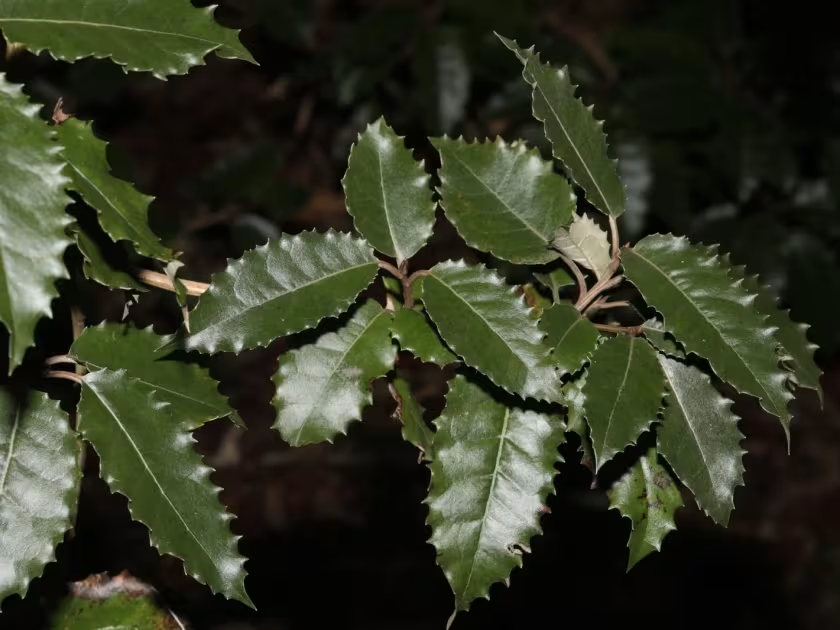
Description
Growing requirements
Olearia macrodonta, commonly known as the holly-leaved olearia, is a member of the Asteraceae family. This evergreen shrub originates from the forests of New Zealand and is highly valued for its striking, silvery-green leaves and daisy-like flowers.
The plant thrives in well-drained soils with a neutral to slightly acidic pH. It is essential to ensure that the site has excellent drainage, as the roots are sensitive to waterlogging, which can cause decline and death of the shrub.
Olearia prefers a sunny position sheltered from strong, drying winds. While it is quite adaptable, providing a mulch layer around the base helps retain consistent soil moisture and protects the root system from extreme temperature fluctuations.
Regular maintenance involves light pruning after the flowering season. This practice encourages denser growth and prevents the plant from becoming leggy, ensuring the shrub maintains a compact and attractive appearance throughout the year.
In terms of fertilization, a balanced slow-release fertilizer applied in early spring is sufficient. Excessive nitrogen should be avoided to prevent weak, succulent growth that is more susceptible to frost damage and pest infestations.
Main diseases and pests
Fungal diseases are a common threat, particularly in damp and poorly ventilated conditions. Botrytis and root rot can occur if the foliage remains wet for extended periods or if the soil does not drain effectively after rainfall.
Pests such as aphids and spider mites can infest the soft, new growth of the plant. These pests feed on plant juices, leading to yellowing of the leaves and stunted development if left unchecked by integrated pest management practices.
Mealybugs can also pose a problem, especially in greenhouse or sheltered environments. These pests are often found hiding in the leaf axils, and their presence may require the application of horticultural oils or systemic insecticides.
Proper airflow management is the best defense against many common diseases. Keeping the plant properly spaced in the landscape and avoiding overhead watering during the late afternoon helps significantly reduce the risk of pathogen growth.
Regular monitoring of plant health is crucial for early detection of issues. By maintaining good sanitation practices, such as removing damaged or dead branches, gardeners can keep their Olearia macrodonta healthy and thriving for many years.