
Tartarian honeysuckle
Lonicera tatarica L.
Description
Growing requirements
Tartarian honeysuckle (Lonicera tatarica L.) is a prominent species within the Caprifoliaceae family, widely recognized for its robust growth and ornamental value in landscaping.
Originating from temperate regions of Asia, this deciduous shrub has been introduced to many parts of the world, where it thrives in diverse climate conditions ranging from cold to temperate.
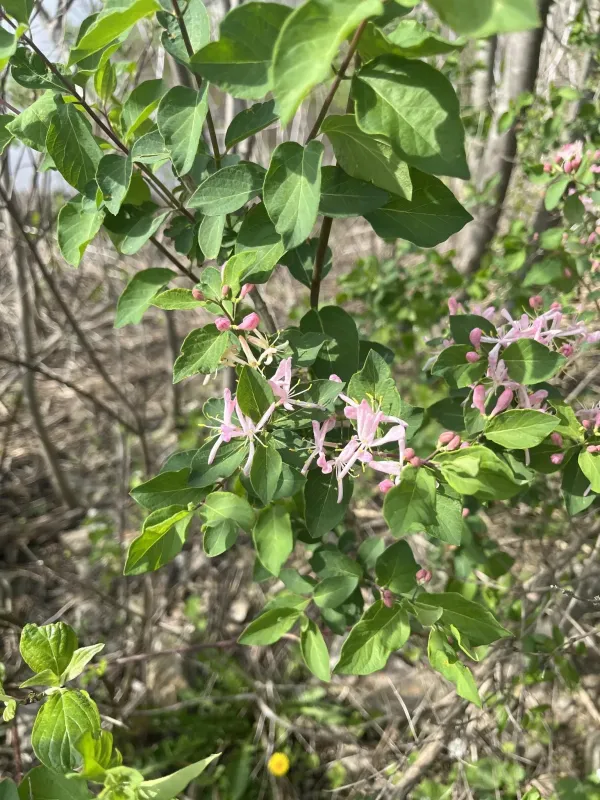
The plant is characterized by its spreading, dense branches, ovate leaves, and a profusion of fragrant, tubular flowers that bloom in late spring, followed by bright, non-edible berries.
It is remarkably adaptable to various soil types, including alkaline and dry soils, and is highly valued for its tolerance to pollution, making it an excellent choice for urban hedge planting.
Proper maintenance involves periodic thinning of the canopy to promote healthy air circulation and regular pruning to remove dead wood and maintain the desired shape and size.
Main diseases and pests
Aphids are the most frequent pest observed on Tartarian honeysuckle, often colonizing the tender new growth and causing the leaves to curl and lose their vigor.
Powdery mildew is a prevalent fungal issue during warm, humid weather, appearing as a white dusting on the foliage and potentially reducing the plant's aesthetic appeal.
Integrated pest management strategies, such as biological control and the application of targeted fungicides, are recommended for maintaining the health of the shrub.
Scale insects can also impact the vigor of the plant, often requiring mechanical removal or specific horticultural oil treatments during the dormant season.
By monitoring the plant closely and ensuring it is not overcrowded, gardeners can minimize the necessity for chemical interventions while maintaining strong, healthy growth.