
Chinese snowberry
Symphoricarpos sinensis
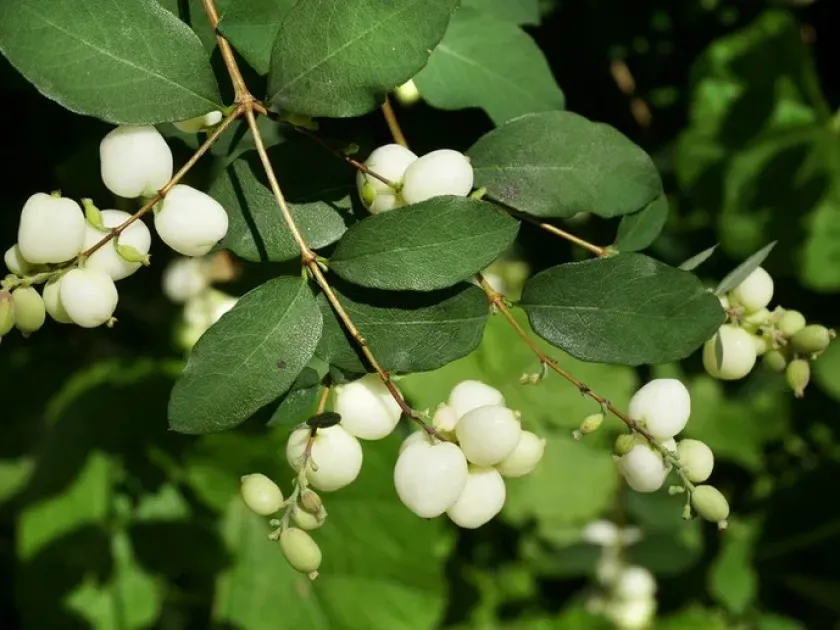
Description
Growing requirements
The Chinese snowberry (Symphoricarpos sinensis) is a deciduous shrub belonging to the Caprifoliaceae family. Originally native to the mountainous regions of China, this species thrives in forest margins and open, rocky slopes where it benefits from moderate climate conditions.
Regarding soil requirements, the plant prefers fertile, well-draining soils with a neutral or slightly alkaline pH. It is generally adaptable to different soil textures, provided that the drainage is adequate to prevent root rot during periods of heavy rain or excessive irrigation.
This shrub flourishes in locations ranging from full sun to partial shade. In sun-drenched areas, it produces more dense foliage and better fruit yields, while in partial shade, it remains healthy but may exhibit a looser growth habit. It exhibits a decent tolerance for drought once fully established.
Cultivation techniques involve routine maintenance including pruning during late winter or early spring. This practice promotes the development of new, vigorous stems and ensures the shrub retains a compact and aesthetically pleasing shape throughout the growing season.
In terms of agricultural and landscape use, the Chinese snowberry is prized for its ornamental value. It is frequently employed in hedging, cluster plantings, and slope stabilization projects, serving both aesthetic and functional purposes in modern horticulture.
Main diseases and pests
Powdery mildew is the most common fungal issue affecting this plant, especially when humidity levels remain high and air circulation is insufficient. Improving plant spacing is the most effective cultural method to prevent this condition from spreading.
Aphids can occasionally colonize young shoots, particularly in early spring when growth is most rapid. Using soft-soap solutions or targeted organic insecticidal sprays can significantly reduce their populations without damaging the plant.
Leaf spot diseases may appear on mature leaves in late summer due to excessive moisture. Maintaining a clean garden environment by removing fallen leaf debris significantly reduces the risk of recurrent infections in the following year.
Root rot caused by poor soil drainage remains a major physiological threat. Gardeners should always assess the infiltration capacity of their soil before planting to avoid stagnant water around the root zone.
Regular monitoring and integrated pest management are key to keeping the Chinese snowberry healthy. By maintaining soil fertility and plant vigor, the risk of significant pest outbreaks is substantially decreased throughout the life of the plant.