
Western snowberry
Symphoricarpos occidentalis
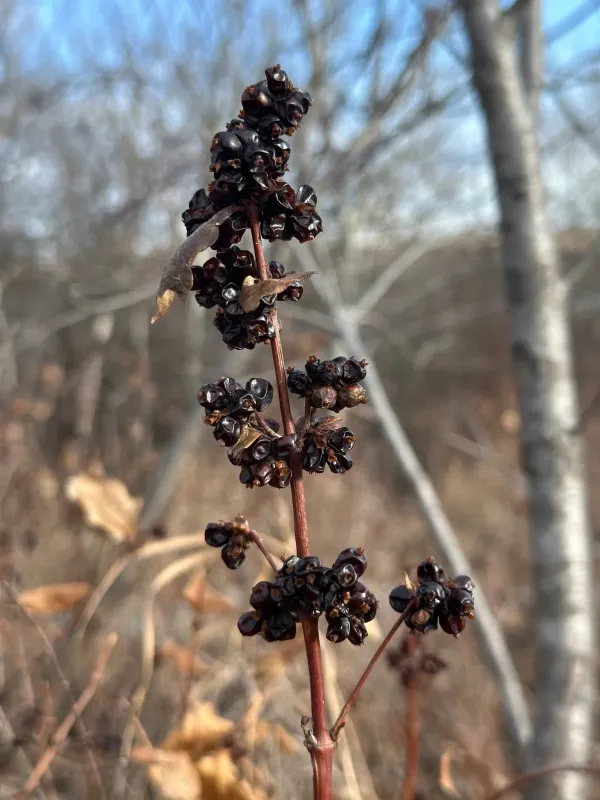
Description
Sowing dates
Propagation of Western snowberry is most commonly achieved through vegetative methods, such as dividing established root clumps, utilizing rhizomes, or taking hardwood cuttings. Planting in the ground is best performed in early spring or late autumn.
For seed propagation, sowing should be done in late autumn to allow for natural stratification throughout the winter. Seeds typically germinate the following spring, though vegetative methods are preferred for ensuring consistent plant traits.
Rhizomes are the plant's primary means of spreading, and they can be easily harvested during the dormant season to establish new plantings. This ensures a high survival rate and robust growth for the new specimens.
When planting as a hedge, space the shrubs roughly 50 to 70 centimeters apart. This proximity encourages a dense, interconnected root system, which is ideal for creating effective windbreaks or privacy screens.
Preparing the planting hole with organic matter like compost or peat moss facilitates faster root establishment. Applying a layer of mulch after planting helps retain soil moisture and prevents unwanted weed competition.
Growing requirements
Western snowberry is a hardy deciduous shrub belonging to the Caprifoliaceae family, known for its exceptional tolerance to harsh climates and diverse environmental stressors.
The plant thrives in full sun to partial shade and is highly adaptable to various soil types, ranging from sandy loams to heavier clay soils. It is particularly noted for its drought resistance once established.
Due to its high tolerance for urban pollution, it is a preferred choice for roadside landscaping and industrial site restoration. The plant can withstand significant environmental pressures without compromising its structural integrity.
Maintenance is minimal, requiring only occasional pruning to remove dead wood or to manage the plant's size. Periodic renewal pruning helps keep the shrub productive and maintains a balanced aesthetic.
Watering is only necessary during the first two growing seasons, especially during prolonged droughts. Once the root system is well-developed, the plant becomes largely self-sufficient in its water needs.
Yield
The primary value of the Western snowberry lies in its ornamental appeal and its function as a vital source of nectar for pollinators, including bees and butterflies, during the summer months.
Its striking white, berry-like drupes are a key feature, persisting on the branches through the winter and providing visual interest when the rest of the landscape is dormant.
In conservation and land management, this shrub is highly valued for its ability to stabilize slopes and prevent soil erosion. The extensive root system makes it an excellent candidate for ecological restoration projects.
While the berries are an important food source for wildlife like birds, they are not edible for humans and contain compounds that can cause digestive issues if ingested. This should be considered in family garden designs.
Western snowberry effectively serves as a colonizing species in many habitats, helping to rehabilitate degraded soil and providing shelter for small birds and mammals within its thickets.
Main diseases and pests
Western snowberry is remarkably resistant to most common plant diseases. When problems do occur, they are typically the result of poor air circulation or excessive soil moisture leading to root stress.
Powdery mildew may occasionally appear in humid or densely crowded conditions. Effective management involves applying appropriate fungicides and pruning the canopy to allow for better airflow and light penetration.
Pest outbreaks, such as aphids, are rarely catastrophic. In cases of high infestation, mild systemic insecticides or horticultural oils can be used to control the population without harming the plant's overall health.
Prevention is the best strategy: ensure adequate spacing during planting and avoid overhead irrigation if the climate is naturally damp. Proper site selection is the primary defense against pathogens.
By monitoring the plant annually and removing old or diseased stems, gardeners can ensure the long-term health and vigor of the shrub, keeping it resilient against potential environmental threats.