
Littleleaf snowberry
Symphoricarpos microphyllus
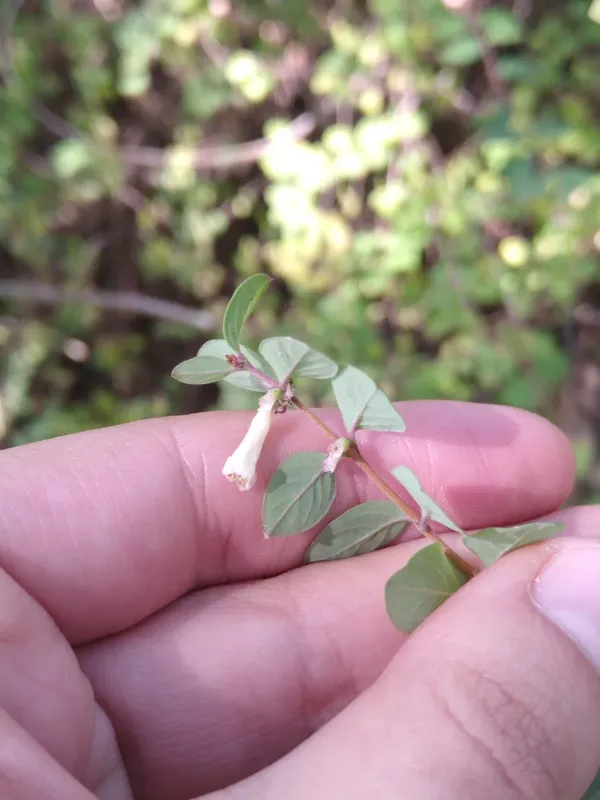
Description
Growing requirements
The littleleaf snowberry (Symphoricarpos microphyllus) is a shrub species belonging to the Caprifoliaceae family. It is native to the mountainous regions of Mexico and Guatemala, where it has evolved to thrive in high-altitude environmental conditions.
This shrub requires well-drained, fertile soil to ensure optimal growth. While it exhibits some tolerance for varying soil types, it performs best in neutral to slightly acidic substrates that provide sufficient aeration for the root system.
Regarding climate, the plant prefers temperate conditions with distinct seasons. It is adapted to bright, sunny exposures, although it can withstand light shade without significant loss of foliage density or overall health.
Watering requirements are moderate; the plant establishes well with regular moisture but demonstrates reasonable drought resistance once fully mature. Overwatering, particularly in poorly drained soils, should be avoided to prevent root rot.
Cultural practices include periodic pruning to remove dead wood and encourage denser growth. Fertilization with a balanced slow-release fertilizer during the early spring growth phase supports healthy development and fruit production.
Main diseases and pests
The plant is occasionally susceptible to powdery mildew, especially in areas with poor airflow and high humidity. Proper site selection and pruning are essential strategies to mitigate the spread of fungal pathogens.
Pests such as aphids and leaf rollers may inhabit the dense foliage. Integrated pest management, including the use of horticultural oils or soaps, is effective in maintaining the health and aesthetic value of the shrub.