
Mock-orange
Philadelphus coronarius L.
Description
Growing requirements
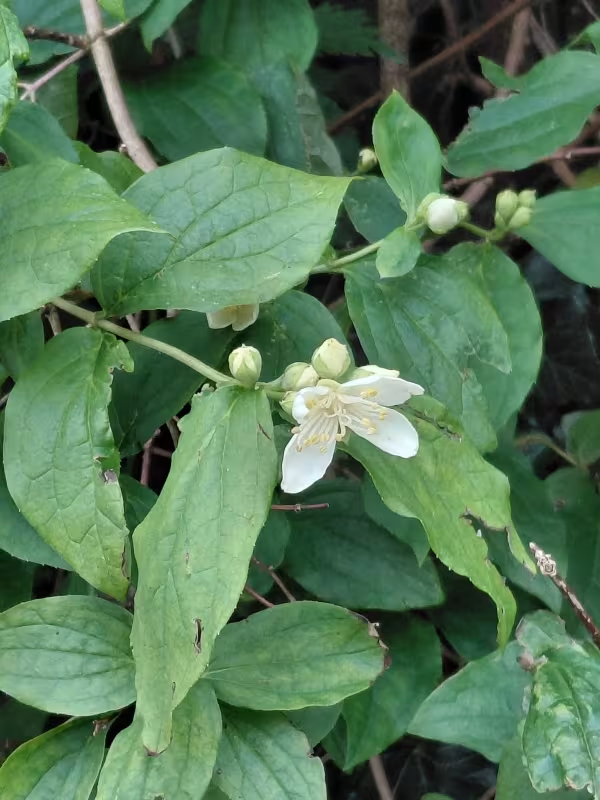
Mock-orange (Philadelphus coronarius L.) is a deciduous shrub belonging to the Hydrangeaceae family. Native to Southern Europe and the Caucasus, this plant is widely cultivated across temperate regions for its highly fragrant, snow-white flowers that bloom in early summer.
The plant thrives in well-drained, fertile soil with a neutral to slightly alkaline pH. While it is tolerant of partial shade, full sun exposure is essential for maximizing flower production and maintaining the compact, healthy growth habit of the shrub.
Agricultural management requires consistent moisture, especially during the establishment phase and periods of summer drought. Mulching around the base helps retain soil moisture and prevents competition from weeds, while regular watering ensures optimal growth throughout the growing season.
Pruning is a critical aspect of maintenance. It is recommended to prune immediately after the flowering period, removing old and weak stems to encourage vigorous new growth. This practice ensures that the shrub remains healthy and continues to produce abundant flowers annually.
In terms of usage, Philadelphus coronarius is a staple in landscape architecture. It is commonly utilized for hedge formation, mixed borders, and as a specimen plant. Its environmental resilience makes it a popular choice for urban landscaping and public parks.
Main diseases and pests
Common pests affecting the mock-orange include aphids and spider mites. These insects typically cluster on the undersides of leaves and tender shoots, causing curling and stunted development if left untreated. Regular monitoring and appropriate insecticidal treatments are recommended.
Fungal diseases, including powdery mildew and various leaf spot conditions, can occur under humid conditions with poor air circulation. To manage these, it is important to space plants correctly, avoid overhead irrigation, and prune out diseased foliage promptly to maintain air movement within the crown.