
Lewis's mock-orange
Philadelphus lewisii Pursh
Description
Growing requirements
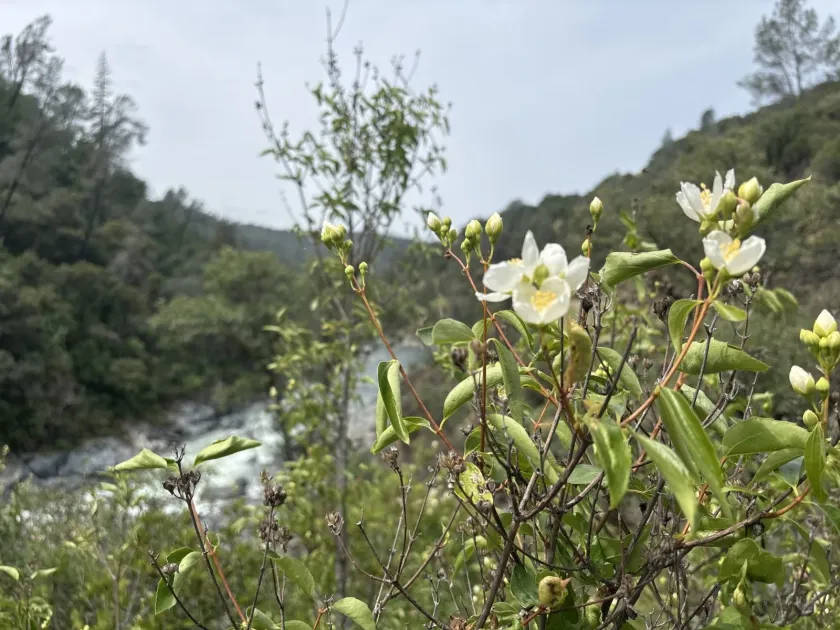
Lewis's mock-orange (Philadelphus lewisii) is a deciduous flowering shrub belonging to the Hydrangeaceae family. Renowned for its fragrant, white, four-petaled flowers, it serves as an iconic ornamental species native to western North America.
This shrub typically inhabits rocky slopes, forest edges, and riparian zones. In horticultural applications, it is prized for its hardiness and its ability to attract pollinators, such as bees and butterflies, during the peak spring and early summer flowering season.
To ensure optimal development, the shrub requires a location with full sun to partial shade. The soil must be well-drained, fertile, and slightly acidic to neutral in pH. Proper site selection is crucial to prevent root rot, as the plant does not tolerate waterlogged conditions.
Maintenance involves routine watering during dry spells and annual pruning to encourage new growth. Pruning should be performed immediately after the flowering period, as the plant blooms on previous year's wood; failing to do so may significantly reduce the next year's bloom.
The plant is highly adaptable and frost-tolerant, thriving in various hardiness zones. Mulching around the base helps retain soil moisture and suppresses weed growth, contributing to the overall health and vigor of the shrub throughout the growing season.
Main diseases and pests
Common pests include aphids, scale insects, and spider mites, which thrive in hot and dry conditions. Regular monitoring of the foliage and stems is necessary to detect infestations early and apply appropriate horticultural oils or insecticidal soaps if needed.
Disease concerns primarily involve leaf spots and powdery mildew, often occurring in environments with high humidity and poor air circulation. To mitigate these risks, it is recommended to maintain proper spacing between shrubs and avoid overhead watering that keeps the foliage consistently wet.