
Delavay mock-orange
Philadelphus delavayi L. Henry
Description
Growing requirements
Delavay mock-orange (Philadelphus delavayi) is an ornamental deciduous shrub belonging to the Hydrangeaceae family. Native to the mountainous regions of Southwest China, this species is highly valued in horticulture for its vigorous growth habit and fragrant white flowers.
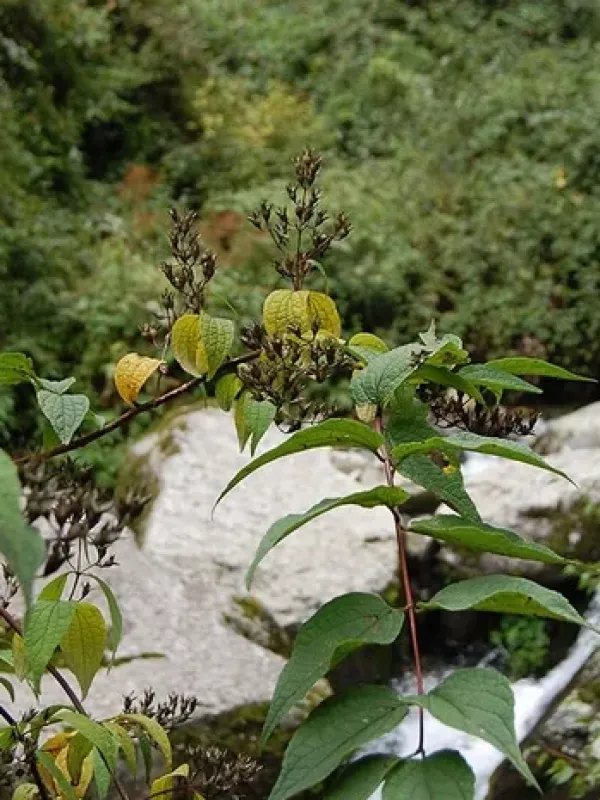
The plant features sturdy, arching stems and ovate leaves with distinct pubescence on the undersides. Its botanical structure makes it an excellent choice for hedge plantings or as a focal point in landscape design, providing structural interest even when not in bloom.
For successful cultivation, the shrub requires a location with full sun to partial shade. It thrives in fertile, well-drained soils and is particularly sensitive to waterlogged conditions, which can lead to root system decay. Adding compost to the planting site helps maintain the necessary soil structure.
Climate requirements for this species include protection from harsh, drying winds. While it shows reasonable hardiness, it benefits from a layer of organic mulch around the root zone during the first few years of establishment to protect against sudden temperature fluctuations.
Essential agrotechnical practices involve pruning immediately after the flowering period ends. Removing one-third of the oldest branches stimulates vigorous new growth, ensuring that the shrub remains productive and structurally sound for the following gardening season.
Main diseases and pests
Common pests affecting Philadelphus delavayi include aphids and spider mites, which can cause leaf yellowing and stunted growth if left unmanaged. Regular monitoring and the application of horticultural soaps or pesticides can keep these populations under control.
Fungal issues, particularly powdery mildew, may occur in high humidity or when plants are grown too close together, limiting airflow. Maintaining proper spacing during the initial planting phase and practicing good sanitation by removing fallen leaves are effective prevention strategies.