
Mock orange hybrid
Philadelphus lewisii Pursh x Philadelphus x virginalis Rehder
Description
Growing requirements
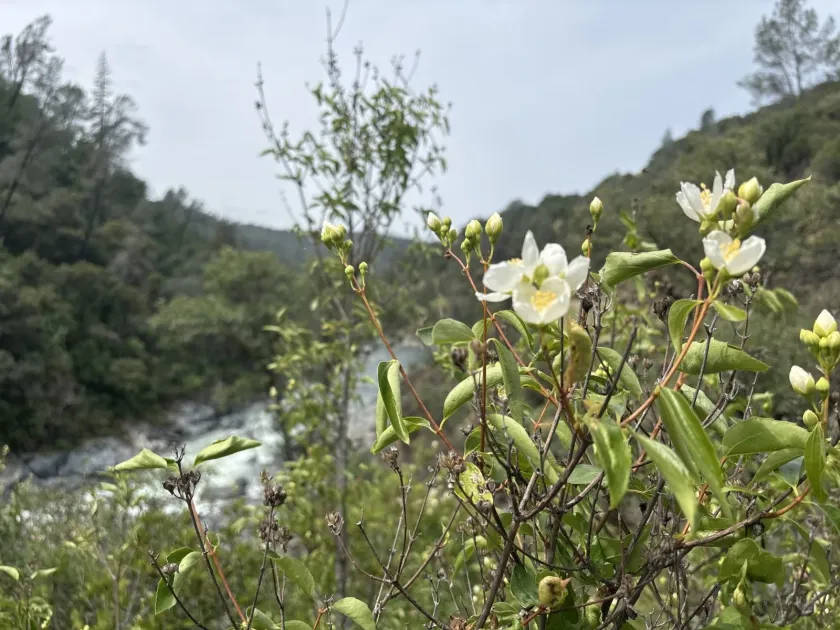
The hybrid Mock Orange is a decorative shrub belonging to the Hydrangeaceae family, resulting from the hybridization of Philadelphus lewisii and Philadelphus x virginalis. This plant is widely recognized for its stunning, fragrant blooms and is a staple in temperate climate landscaping, known for its resilience and vigor.
The plant thrives in locations that receive full sun to partial shade, which promotes dense flowering. While it adapts to various climates, it performs best in regions where it is protected from cold, desiccating winds that can damage the delicate floral buds in early spring.
Soil requirements for optimal health include a well-draining, nutrient-rich, and slightly moist medium with a neutral pH. The hybrid species does not tolerate waterlogged soils; thus, site preparation must include adequate drainage measures to prevent root rot and ensure the overall longevity of the plant specimen.
Agricultural management involves regular application of balanced fertilizers during the spring growth flush to encourage robust vegetative development. Consistent irrigation is required during the peak of summer, especially for younger plants, to prevent drought stress, which can lead to early leaf drop and poor flowering.
Pruning is a critical aspect of plant maintenance, usually performed immediately after the flowering season ends. By removing old wood and thinning out the center of the shrub, gardeners can promote new shoot growth and ensure better light penetration and airflow, which is essential for maintaining plant health.
Main diseases and pests
Common pests affecting hybrid Mock Orange include aphids and spider mites, which typically colonize the underside of leaves and young stems. Integrated pest management, involving horticultural oils or soaps, is effective if applied early in the infestation cycle to mitigate damage to the plant's aesthetic value.
Fungal issues, particularly powdery mildew and leaf spot, may arise if the plant is grown in environments with poor ventilation or high humidity. Maintaining healthy spacing between shrubs and avoiding overhead irrigation can significantly reduce the pressure of these pathogens and ensure a vibrant, disease-free display.