
Philadelphus delavayi and Philadelphus microphyllus hybrids
Hybrids between Philadelphus delavayi and Philadelphus microphyllus
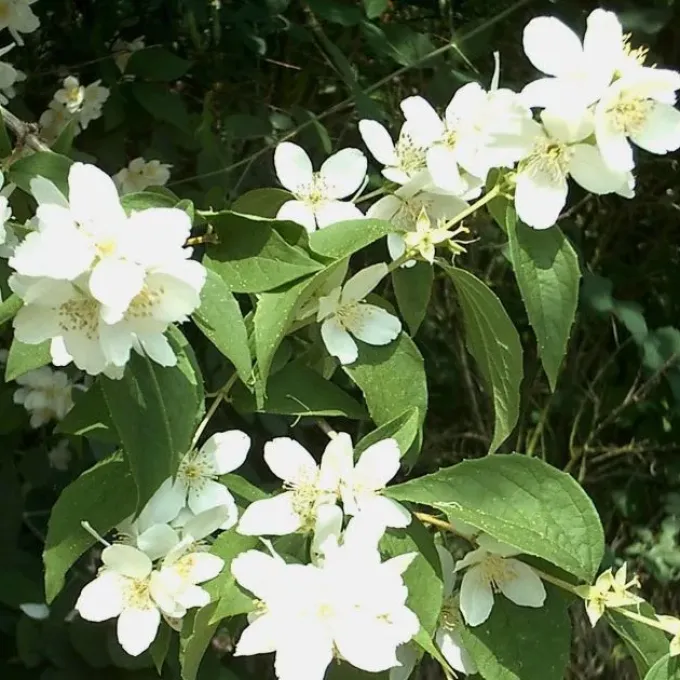
Description
Growing requirements
Philadelphus delavayi and Philadelphus microphyllus hybrids belong to the Hydrangeaceae family. These deciduous shrubs are highly prized for their architectural structure and intense fragrance, making them a cornerstone for traditional and modern landscape design.
These plants thrive in full sun, though they tolerate partial shade. For optimal flowering, provide at least six hours of direct sunlight. Shelter from strong, drying winds is recommended to prevent early flower drop and mechanical damage to the delicate branches.
Soil requirements involve well-draining, moderately fertile loams. The plants are intolerant of waterlogged soil, which causes root decay. Incorporating organic matter, such as well-rotted compost, into the planting pit improves aeration and nutrient availability.
Maintenance includes consistent watering during the establishment phase and throughout dry summer months. Pruning is essential; perform it immediately after blooming, removing roughly one-third of the old wood to encourage vigorous new growth for the next season.
These hybrids are generally hardy, but mulching the base in late autumn helps preserve soil moisture and protects the root system from extreme temperature fluctuations in colder climate zones.
Main diseases and pests
Aphids are the most frequent pests, typically clustering on tender new shoot tips. Early detection and spraying with insecticidal soap are usually effective for managing populations without harming beneficial insect predators like ladybugs.
Powdery mildew can affect the foliage during periods of high humidity and poor air circulation. To minimize this risk, ensure sufficient spacing between shrubs and avoid overhead watering that keeps the leaves damp for extended periods.
Leaf spot diseases caused by fungi can occasionally occur. Proper sanitation, such as removing fallen infected leaves at the end of the season, significantly reduces the amount of inoculum available for the following year.
Spider mites may become an issue in hot, dry weather. These tiny pests cause a stippled appearance on the leaves. Increasing humidity around the plant and keeping it well-watered can discourage mite infestations.
For chemical control, if necessary, choose fungicides or insecticides labeled for ornamental shrubs. Always follow manufacturer guidelines to ensure safety and efficacy, applying treatments early in the morning to prevent leaf scorch.