
Littleleaf mock-orange
Philadelphus microphyllus A. Gray
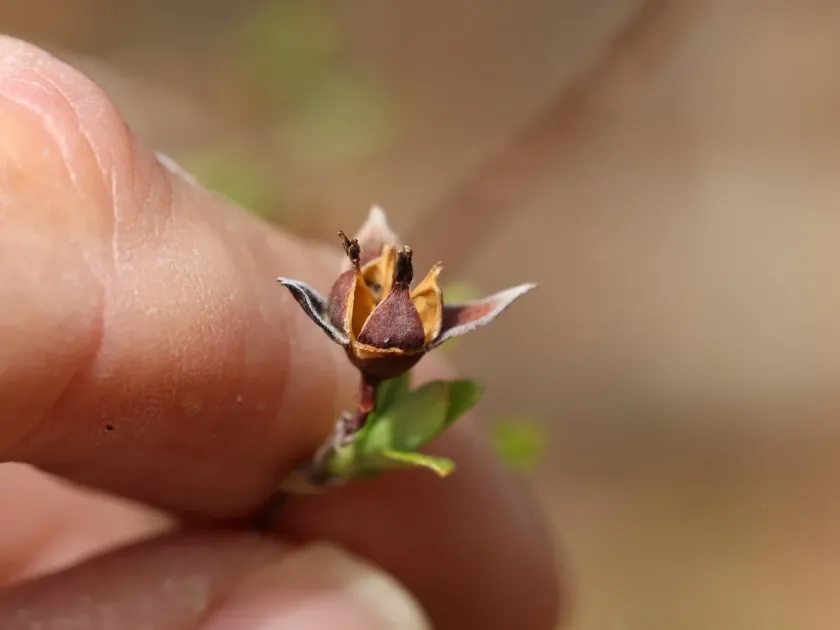
Description
Growing requirements
The littleleaf mock-orange (Philadelphus microphyllus) is a member of the Hydrangeaceae family. Native to the southwestern United States, this species is highly valued for its refined growth habit and intense, pineapple-like fragrance emitted by its white flowers.
Botanically, it is a deciduous shrub that features small, lanceolate leaves and delicate flowers. Its compact size makes it an excellent choice for rock gardens, mixed borders, or low-growing flowering hedges in temperate climate zones.
In terms of climatic requirements, this species prefers sunny environments but can tolerate partial shade. It is known for its hardiness, adapting well to varying seasonal temperature fluctuations, provided it is protected from extreme drying winter winds.
The ideal soil for this shrub is well-drained, fertile, and slightly loamy. Proper drainage is crucial for the health of the root system, as the plant does not tolerate waterlogged soil, which can lead to rapid root degradation.
Standard horticultural practices include yearly spring fertilization to support growth, consistent watering during dry spells, and systematic pruning to manage the density of the foliage and enhance flower production in the following season.
Main diseases and pests
Although robust, the plant can be affected by common garden pests such as aphids and spider mites. Aphids typically cluster on the tender tips of new growth, causing curling and stunted development of leaves.
Spider mites are more common in hot, dry climates. These pests thrive under low humidity conditions, often leading to chlorosis or a speckled appearance on the foliage, which can be managed with insecticidal soaps or neem oil.
Fungal issues, such as powdery mildew, may occur if the shrub is planted in areas with poor airflow or excessive humidity. Ensuring sufficient spacing between plants is a fundamental preventive measure against these conditions.
Sanitation plays a significant role in disease management. Removing leaf litter from beneath the shrub in the autumn helps reduce the overwintering of spores and pests that could harm the plant in the spring.
By maintaining a balanced irrigation schedule and performing routine sanitary prunings, gardeners can minimize the necessity for chemical intervention and keep the shrub thriving in the landscape.