
Mock orange
Philadelphus coronarius L. x Philadelphus lewisii Pursh
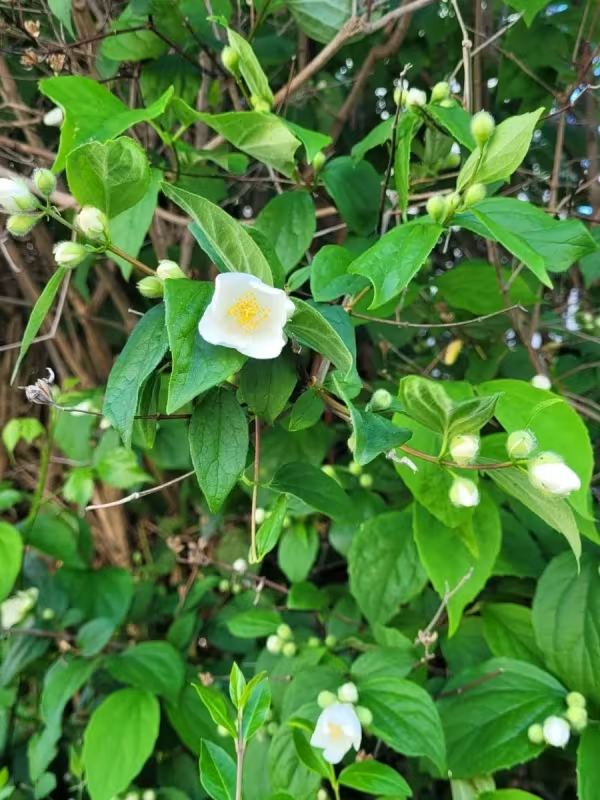
Description
Growing requirements
Mock orange, belonging to the Hydrangeaceae family, is a popular deciduous shrub renowned for its fragrant, white flowers. This hybrid variety thrives in temperate climates, offering both structural beauty and seasonal aromatic interest to any landscape.
The plant requires full sun to partial shade to perform at its best. While it can survive in shaded conditions, a location with at least six hours of direct sunlight is essential to stimulate maximum bloom production and maintain the plant's health.
The ideal soil for Mock orange is fertile, well-draining, and rich in organic matter. Although it can adapt to various soil types, it performs best in neutral to slightly acidic conditions and will struggle in compacted or waterlogged clay soils.
Maintenance involves regular watering during dry spells, particularly in late spring and summer. Applying a layer of mulch around the base of the plant helps retain soil moisture, suppresses weeds, and maintains a stable root temperature.
Pruning should be performed immediately after the flowering season. Removing about one-third of the oldest stems down to the ground encourages new, vigorous growth and ensures that the shrub remains healthy and well-shaped for the following year.
Main diseases and pests
Common pests affecting this crop include aphids, which often colonize the tender tips of new growth. Using insecticidal soaps or neem oil is usually effective in controlling these outbreaks without damaging the plant's beneficial insects.
Spider mites are another concern, especially during hot and dry summer conditions. These tiny pests cause leaves to look speckled and dull, often requiring frequent watering or specialized miticides to manage the population.
Powdery mildew represents the most common fungal threat. It presents as a white, dusty residue on the foliage, which can be mitigated by improving air circulation around the branches and avoiding overhead irrigation that leaves leaves wet.
Leaf spots caused by various fungi can occur if the plant is stressed or improperly pruned. Removing infected foliage and cleaning up leaf litter at the end of the season reduces the risk of reinfection in the spring.
Proper plant hygiene and spacing are critical to disease prevention. Ensuring that each shrub has enough room for air to flow through the foliage minimizes the conditions favored by most fungal pathogens.