
Strobilanthes tomentosa
Strobilanthes tomentosa
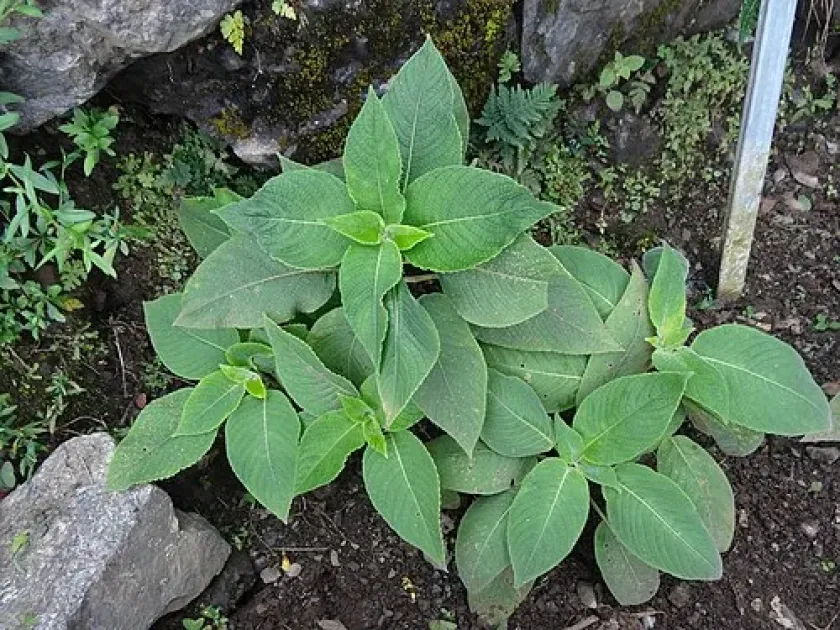
Description
Growing requirements
Strobilanthes tomentosa is a notable species belonging to the Acanthaceae family. Originally native to specific regions in Asia, this perennial herb is widely appreciated for its distinctive foliage and unique morphological adaptation to its habitat.
The botanical highlight of this species is its felt-like, tomentose leaves, which are covered in fine, dense hairs. These trichomes are not merely decorative but serve to mitigate water loss and provide protection against direct environmental stress in the plant's natural range.
Cultivation requires well-drained, nutrient-rich soil to ensure optimal development. It thrives best in substrates that mimic forest floor conditions, providing both moisture retention and effective drainage to prevent waterlogging which can be fatal to the roots.
Regarding climate, the plant prefers warm, stable temperatures and bright, indirect lighting. Prolonged exposure to intense direct sunlight can scorch the foliage, whereas lack of light often leads to leggy, weak growth patterns that diminish the plant's aesthetic value.
In terms of agricultural and horticultural use, Strobilanthes tomentosa is primarily utilized as an ornamental plant. It serves as a great choice for container gardening, indoor conservatory displays, and shaded garden areas where its textured foliage adds architectural interest.
Main diseases and pests
The primary pests affecting Strobilanthes tomentosa include spider mites and whiteflies. These insects find the dense, hairy surfaces of the leaves to be an ideal shelter, making regular monitoring and early intervention necessary for plant health.
Common diseases involve fungal infections like powdery mildew and root rot. These are almost exclusively linked to poor environmental management, such as overhead watering combined with poor air circulation, which creates a humid microclimate prone to pathogen growth.