
Strobilanthes atropurpurea
Strobilanthes atropurpurea
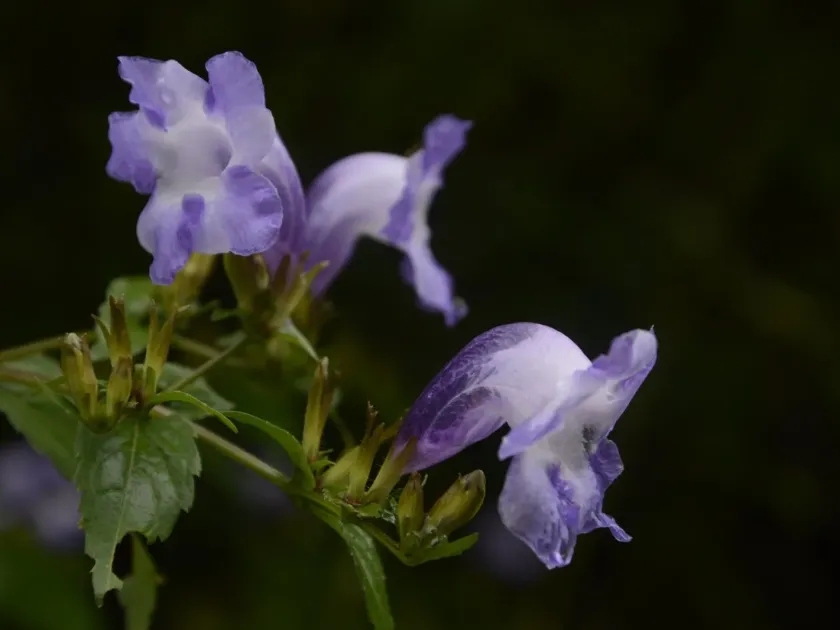
Description
Growing requirements
Strobilanthes atropurpurea is a perennial herbaceous plant belonging to the Acanthaceae family. Native to the mountainous regions of Southeast Asia and the Himalayas, it has evolved to thrive in cool, moist, and shaded environments characteristic of temperate forest floors.
The plant is distinguished by its deep purple bracts and vibrant tubular flowers, making it a unique addition to botanical collections. It grows as a dense, robust shrub that can reach heights of up to one meter, depending on the richness of the soil and water availability.
Agronomic success requires fertile, well-draining soil with a slightly acidic to neutral pH. High organic content in the growing medium helps maintain the moisture levels necessary for its growth, as the species is intolerant to prolonged periods of drought.
Climate requirements include a stable, temperate environment with protection from direct, scorching sunlight. It is best suited for sheltered areas in gardens or controlled environments such as greenhouses where light levels can be managed through shade cloth.
Host-plant uses are primarily focused on ornamental horticulture and landscape design in regions with mild winters. In research settings, it is valued for its specific phytochemical profile, which has become a subject of study for potential biochemical applications.
Main diseases and pests
The primary pests affecting this culture include spider mites and whiteflies, especially when grown in indoor environments with low humidity. Integrated pest management, including regular scouting and biological control, is crucial for maintaining crop health.
Root rot and fungal pathogens pose significant threats if irrigation protocols are not followed correctly. Providing excellent drainage and avoiding water stagnation is the most effective preventative measure against these soil-borne diseases.
Powdery mildew may occur when foliage remains damp for extended periods combined with poor air circulation. Proper spacing between individual plants is necessary to ensure adequate ventilation and prevent the rapid spread of infections.
Chlorosis and leaf spot are common physiological or pathological indicators of poor substrate quality or nutrient imbalance. Regular soil testing and controlled application of fertilizers can mitigate these risks and support vigorous development.
Sanitation practices, including the removal of dead foliage and sterilization of cultivation tools, are essential to minimize the risk of pathogen transmission. Maintaining an optimal temperature range throughout the growing season ensures the plant remains resistant to common stresses.