
Strobilanthes cusia
Strobilanthes cusia
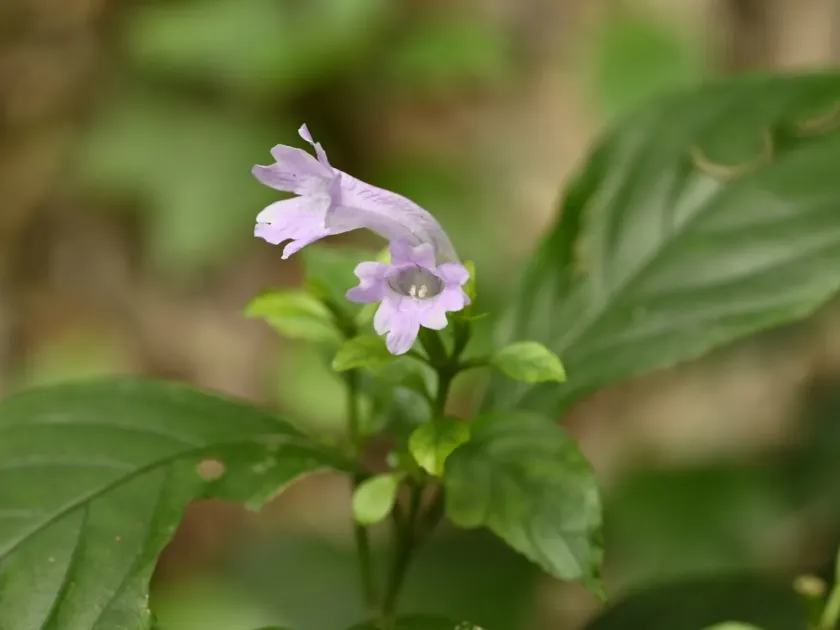
Description
Sowing dates
Sowing of Strobilanthes cusia is best conducted during the spring when soil temperatures consistently support germination. Propagation is frequently achieved through cuttings, which ensures rapid establishment of the crop.
When using seeds, planting is carried out in nursery beds or greenhouses. The seeds require an optimal temperature range of 20 to 25 degrees Celsius to achieve high germination rates and healthy seedling development.
Preparation of the cultivation site involves careful soil enrichment with organic matter and thorough weed control. A well-prepared seedbed is essential for the crop to establish a vigorous root system early in the season.
The spacing of plants depends on the desired leaf density. A common planting density is 40 by 50 centimeters, which allows sufficient air circulation and room for the plants to grow into bushy structures.
Hardening off the seedlings is a critical procedure before transplanting into open ground. This practice increases the plant's resistance to environmental stress and improves overall survival rates.
Growing requirements
Strobilanthes cusia belongs to the Acanthaceae family and originates from the humid, forested regions of Southeast Asia. It is a perennial herb that thrives under specific tropical and subtropical conditions.
The plant prefers semi-shaded areas where it is protected from intense, direct sunlight. In commercial field cultivation, growers often implement artificial shading to maintain foliage quality and moisture levels.
Soils should be fertile, well-draining, and slightly acidic to neutral in pH. Avoid planting in waterlogged or heavy clay soils, as the root system is highly susceptible to rot under anaerobic conditions.
Adequate water supply is crucial for this crop. The soil moisture must be consistent throughout the growth cycle to ensure the accumulation of indican, the precursor to the blue indigo pigment.
While adapted to warm climates, Strobilanthes cusia lacks frost tolerance. In temperate regions, it must either be treated as an annual or provided with protection to survive the cold winter months.
Yield
The yield of biomass is heavily dependent on agronomic management, particularly irrigation and nutrient application. Nitrogen-based fertilizers are recommended after each harvest cycle to encourage new leaf production.
The primary goal is to maximize leaf harvest before the flowering stage. Research indicates that the concentration of secondary metabolites, including the dye precursor, peaks just before the plant begins to bloom.
Multiple harvests are possible within a single growing season. Proper pruning after each cut stimulates the plant to produce thick, lush shoots, which effectively increases the total annual yield.
Success depends on maintaining a balance between biomass growth and the physiological health of the plant. Over-fertilization can sometimes reduce the concentration of active compounds in the foliage.
Efficient management of the harvest schedule ensures a steady supply of high-quality raw material. Producers often focus on yield stability to maintain consistent indigo extraction ratios.
Main diseases and pests
Fungal diseases present a significant risk to Strobilanthes cusia, especially when air circulation is poor or humidity levels are excessively high. These pathogens can quickly damage the foliage.
Root rot is a common issue often caused by over-irrigation or poor soil drainage. If symptoms appear, reducing water and improving soil aeration can help mitigate further losses in the field.
Pests such as spider mites and aphids can be particularly troublesome. They tend to colonize the underside of leaves, causing stunted growth and reducing the overall quality of the harvested biomass.
Integrated pest management strategies are advised, emphasizing the use of biological control agents and cultural practices that favor healthy plant development over chemical intervention.
- Regular field inspections to detect early signs of pest or disease outbreaks.
- Proper field sanitation to prevent the carryover of pathogens between planting seasons.
- Crop rotation to minimize the build-up of soil-borne pests and diseases.
Harvesting
Harvesting should be timed precisely to coincide with the plant's peak accumulation of indigo precursors. This phase usually occurs just before the transition into the reproductive flowering stage.
The harvest is conducted by cutting the aerial portions of the plant, leaving a stubble of approximately 10 to 15 centimeters. This residual plant matter is vital for rapid regeneration of new foliage.
Immediate processing of the harvested leaves is required to prevent fermentation or oxidation, which would lead to the loss of the valuable dye components before extraction can occur.
Logistics play a major role in the harvest process. Proximity to extraction facilities minimizes the time from cutting to processing, which is crucial for achieving high-quality blue dye yields.
Careful handling during the harvest process preserves the integrity of the leaves, ensuring that the indigo-producing cells remain intact until the extraction phase begins at the facility.