
Strobilanthes auriculata
Strobilanthes auriculata
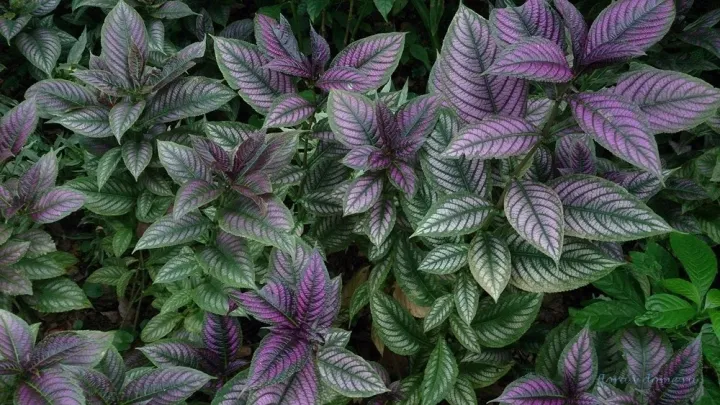
Description
Sowing dates
Strobilanthes auriculata is a perennial member of the Acanthaceae family, known for its attractive foliage and tropical growth habits. Cultivation usually takes place in greenhouses or indoor environments due to its temperature sensitivity.
Propagation is primarily achieved through seeds or stem cuttings. Sowing seeds requires a warm, moist substrate with temperatures maintained consistently between 22 and 24 degrees Celsius for optimal germination.
Cuttings should be taken during the active growing season, ideally in spring. When placed in water or a moist sandy medium, they develop root systems quickly, allowing for rapid propagation of preferred specimens.
Seedlings need transplanting into individual pots as soon as they develop their first set of true leaves. Using a nutrient-rich potting mix ensures healthy initial growth and strengthens the root structure.
The transition from a nursery environment to a display pot requires careful monitoring of light exposure. Gradually introducing the plant to higher light levels helps prevent stress during the establishment phase.
Growing requirements
This species thrives in bright, indirect light. Prolonged exposure to intense, direct sunlight can result in leaf scorching, while insufficient light leads to spindly, weak stems and loss of color.
Soil requirements include a well-draining, fertile mix that retains moisture without becoming waterlogged. Regular application of a balanced liquid fertilizer is essential during the primary growing months.
Humidity is a critical factor for Strobilanthes. Maintaining high air moisture levels is necessary for lush growth, which can be facilitated by group planting or the use of humidifiers in drier indoor climates.
The ideal temperature range is between 20 and 28 degrees Celsius. During the winter, the plant benefits from a slight reduction in temperature, which encourages a natural rest period before the spring flush.
Watering frequency should be adjusted based on the season. During active growth, the soil should be kept consistently moist; however, in winter, it is advisable to allow the top layer to dry out slightly.
Main diseases and pests
Spider mites are the most common pest, especially in environments where humidity is lacking. Monitoring the undersides of leaves is necessary to detect early stages of mite infestations.
Root rot, caused by overwatering and poor soil aeration, poses a significant threat to this species. Ensuring the pots have adequate drainage holes is the first step in prevention.
Mealybugs can often be found in the axils of the leaves. Manual removal or the application of horticultural oils or systemic insecticides can manage these pests effectively when detected early.
Fungal leaf spot can develop if air circulation is poor or if the foliage remains wet for extended periods. Promoting good airflow around the plants helps to mitigate this risk significantly.
Integrated pest management, including regular inspection and maintaining optimal hygiene in the growing space, is the most effective way to keep Strobilanthes healthy and vigorous.