
Strobilanthes flaccidifolia
Strobilanthes flaccidifolia
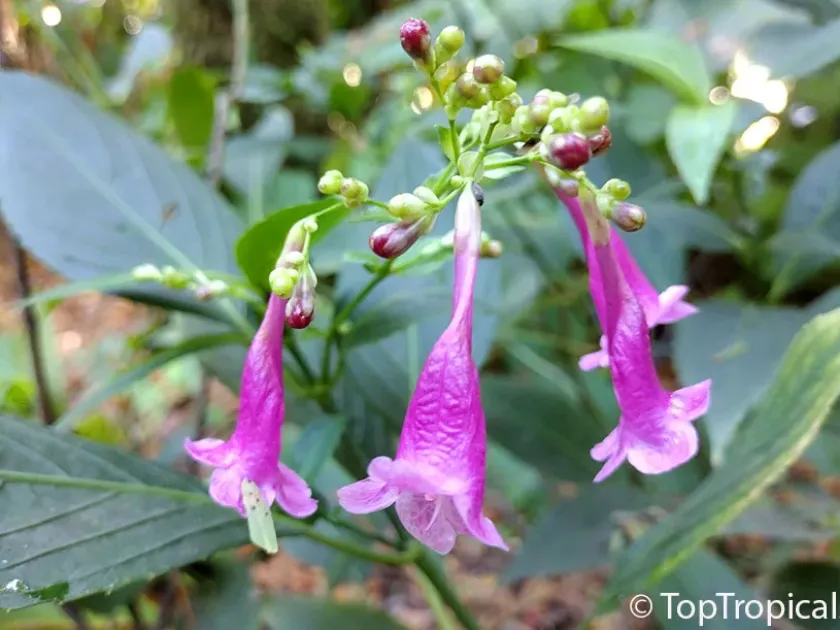
Description
Sowing dates
Propagating Strobilanthes flaccidifolia is most effectively achieved through stem cuttings, a method that ensures rapid root development and maintains the genetic integrity of the plant. Cuttings are ideally planted at the beginning of the rainy season when humidity levels are consistently high, creating an environment conducive to plant establishment.
For commercial cultivation, cuttings are spaced 40–50 cm apart in well-prepared beds. This spacing ensures adequate airflow and light penetration, which are essential for promoting healthy vegetative growth and increasing the overall yield of the foliage throughout the growing season.
Prior to planting, the soil must be tilled thoroughly and amended with organic matter such as compost or well-rotted manure. Providing a nutrient-rich foundation is vital for this crop, as its rapid growth cycle requires a steady supply of nitrogen and other essential elements to maintain high pigment production.
For seed-based propagation, sowing is typically carried out in nurseries during late winter. Seedlings require a controlled environment with stable temperatures to ensure uniform germination. Once they reach the three-leaf stage, they are transplanted into individual containers for further hardening before final placement.
Maintaining optimal moisture levels during the early stages of establishment is critical for plant survival. Young plants are sensitive to moisture stress, so consistent irrigation is required until they have fully developed their root systems and are capable of sustaining vigorous growth.
Growing requirements
Strobilanthes flaccidifolia, a member of the Acanthaceae family, is a tropical semi-shrub that demands high humidity and a warm, stable climate. It thrives in regions where temperatures remain consistently between 20°C and 30°C, as the plant is highly susceptible to frost damage.
Shade management is a key requirement for success; the plant performs best in filtered sunlight or semi-shaded areas. Direct exposure to intense, scorching midday sun can damage the leaves, reducing their photosynthetic efficiency and lowering the concentration of indigo precursors.
The soil should be fertile, moist, and well-drained. While the plant requires significant water to thrive, standing water or waterlogged conditions must be avoided, as these trigger root rot and significantly inhibit development, potentially leading to crop failure in low-lying areas.
Wind protection is necessary to prevent physical damage to the plant's fragile stems. Integrating Strobilanthes flaccidifolia into agroforestry systems, where it can grow under the canopy of larger trees, is an effective strategy for providing both the shade and the wind protection it requires.
Soil pH should ideally be neutral or slightly acidic. Regularly monitoring soil health and ensuring sufficient organic carbon content will assist in maintaining the vigor of the plantations, allowing for a longer lifespan and more frequent harvests over several productive years.
Yield
The primary economic output of Strobilanthes flaccidifolia is its leaves, which are processed to extract natural indigo dye. Yield is measured by the total biomass of foliage produced, which is significantly enhanced by regular pruning that stimulates branching and prevents premature flowering.
Under optimal tropical conditions, multiple harvests are possible within a single growing season. For the highest quality of dye, leaves should be gathered during the peak of vegetative growth, strictly before the plant transitions into its reproductive phase and initiates flowering.
A well-managed plantation can remain productive for three to five years, provided that nutrition and moisture are carefully balanced. Yields are maximized by maintaining a high density of healthy, vigorous plants that are pruned back systematically to prevent overcrowding and shade-related leaf loss.
In addition to its role in the dye industry, the plant is also valued for its medicinal properties. The leaves contain secondary metabolites that are explored in traditional medicine, offering a potential secondary revenue stream for farmers who process the plant beyond just its indigo content.
Market value is largely dependent on the quality of the raw material, which correlates with the timing of the harvest and the efficiency of the post-harvest processing. High-quality indigo production requires meticulous attention to the leaves from the field to the extraction vat.
Main diseases and pests
Common pests include spider mites and aphids, which are particularly troublesome during periods of low humidity or drought. Integrated pest management strategies, such as the use of botanical soaps or beneficial insect releases, are preferred over broad-spectrum chemicals to preserve the quality of the dye.
Fungal diseases like leaf spot and root rot are significant threats in humid climates with poor drainage. Proper spacing and proactive pruning help ensure adequate ventilation, which significantly reduces the humidity levels within the canopy and discourages the growth of harmful fungi.
Slugs and snails can cause considerable damage to young, tender foliage during the wet season. Implementing protective physical barriers or using non-toxic baits is often sufficient to control these pests without risking the chemical contamination of the foliage used for natural dyeing.
Root nematodes can negatively impact the plant's long-term health, particularly in monoculture systems. Rotating crops periodically and incorporating organic soil amendments that enhance soil microbial health can help manage nematode populations and preserve the plantation's overall productivity.
Routine scouting is the most effective approach to identifying and addressing threats early. Monitoring the underside of leaves and checking the base of the stems periodically allows for the rapid detection of issues, ensuring that the health of the entire crop remains consistent.
Harvesting
Harvesting should be performed when the bushes are robust and well-foliated, typically reaching 60–80 cm in height. The stems are cut back with sharp, sterile shears, leaving enough stem base (10–15 cm) to facilitate rapid regrowth for subsequent harvests.
The timing of the harvest is crucial for quality, with early morning being the preferred time. During the cool hours of the morning, leaves are fully turgid and contain the maximum amount of indigo precursors, ensuring a superior final product after the extraction process.
After cutting, the biomass must be transported quickly to the processing site. The leaves should not be allowed to dry out or heat up in piles, as degradation of the valuable indigo-bearing compounds begins shortly after the plant material is severed from its roots.
It is essential to keep the harvested material clean and free of soil or debris. Sorting the leaves to remove diseased or damaged foliage prior to processing will improve the color consistency and overall purity of the final dye extract, adding value to the farmer's output.
Equipment for harvest should be maintained properly to ensure clean, precise cuts. A sharp cut promotes rapid healing of the plant, which is essential to minimize the risk of pathogen entry and to ensure the plant retains its vigor for the next growth cycle.