
Strobilanthes calycina
Strobilanthes calycina
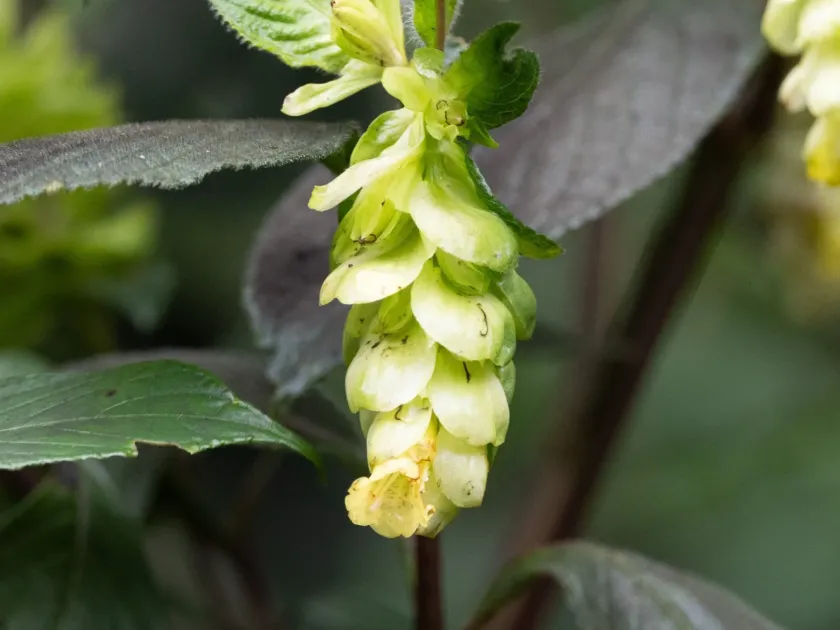
Description
Growing requirements
Strobilanthes calycina is a botanical species belonging to the Acanthaceae family. Originally native to the humid tropical forests of Southeast Asia, this plant has gained popularity in horticultural circles due to its unique aesthetic appeal and specific structural characteristics.
The plant requires a stable temperature range, ideally between 20°C and 25°C. It is highly sensitive to cold drafts and sudden temperature fluctuations, which can trigger physiological stress and leaf abscission in younger specimens.
High relative humidity is essential for the healthy development of Strobilanthes calycina. Cultivators should ensure humidity levels remain above 60%. Frequent misting or the use of automated humidification systems is highly recommended for indoor environments.
The substrate must be rich in organic matter and possess excellent drainage properties. A mix of peat, perlite, and humus provides the best conditions for root respiration while retaining enough moisture for consistent growth cycles.
Light requirements for this species involve bright, indirect exposure. While the plant thrives in tropical conditions, direct sunlight hitting the foliage during peak daylight hours can lead to phototoxicity, resulting in scorched leaf margins.
Main diseases and pests
Spider mites are the most common pests affecting Strobilanthes calycina, especially in dry climate conditions. Early detection is vital for preventing rapid infestations that can compromise the plant's structural integrity.
Mealybugs pose a significant risk by clustering in the plant's crevices and leaf axils. If detected, growers should employ systemic insecticides or manual removal methods to mitigate the population before it spreads to other plants.
Root rot, driven by Phytophthora or Pythium species, often occurs when the soil remains waterlogged for extended periods. Proper watering techniques are crucial to maintain the balance between soil hydration and oxygen availability.
Nutritional imbalances, such as iron or magnesium deficiency, can lead to chlorosis. Implementing a balanced liquid fertilizer program during the active growth phase helps maintain vibrant foliage and enhances the plant's immune response.
To ensure long-term vitality, growers must practice routine sanitation. Removing necrotic tissue and maintaining clean cultivation environments are the most effective non-chemical strategies for reducing disease pressure within a collection.